
Why Backyard Tree Cutting Requires Professional Equipment and Experience
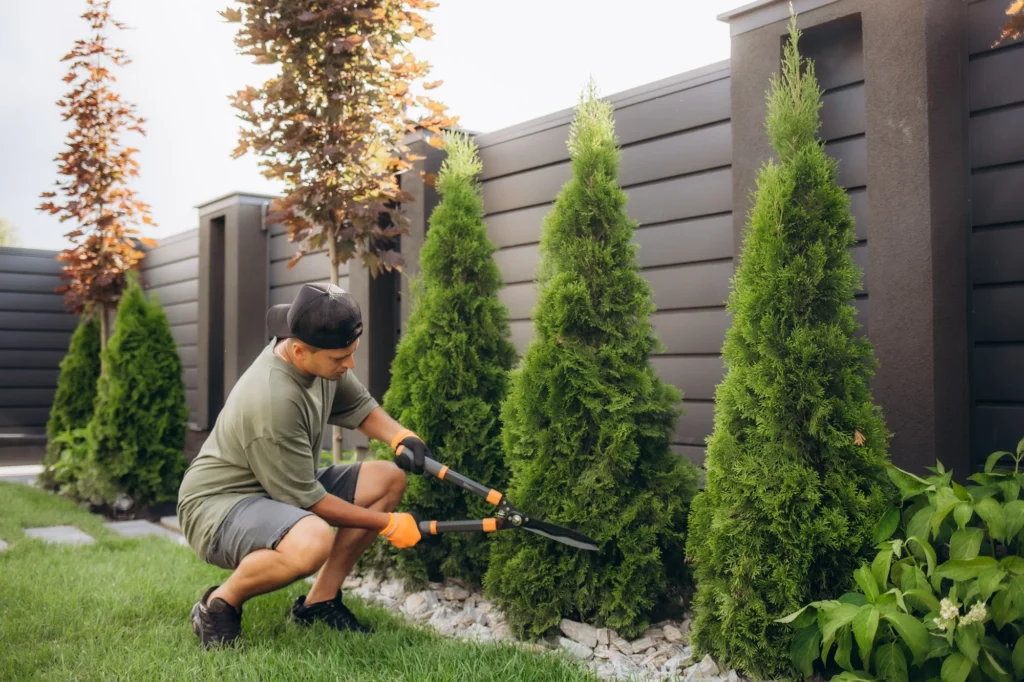
Backyard tree cutting may seem straightforward, but it is often one of the most challenging tree care services. Limited access, nearby structures, fences, gardens, and utility lines leave very little room for error. Professional tree cutting ensures that trees are removed or trimmed safely without damaging your property or surrounding landscape. Limited Space Increases the Risk Unlike front yards or open lots, backyards often have narrow access points and obstacles that make tree work more complicated. Professionals carefully plan every cut to safely lower branches and trunk sections without affecting nearby structures. Bronx Tree Pro specializes in backyard tree removal using advanced techniques and compact equipment for difficult access areas. Protect Your Home and Outdoor Features Large branches can easily damage: Professional tree crews use ropes, rigging systems, and controlled cutting methods to safely remove heavy limbs while protecting your property. Improve Tree Health Not every backyard tree needs to be removed. In many cases, professional tree cutting involves removing dead, diseased, or overcrowded branches to improve the tree’s health and structure. Benefits include: Healthy trees continue providing shade and beauty for many years. Reduce Storm Damage Trees located close to homes are especially vulnerable during severe weather. Weak branches or unbalanced canopies are more likely to break during high winds, causing expensive damage. Routine tree cutting removes hazardous limbs before storms arrive and helps strengthen the tree against future weather conditions. Increase Backyard Usability Overgrown trees often block sunlight and limit usable outdoor space. Strategic tree cutting opens the landscape by allowing more light to reach lawns, gardens, patios, and recreational areas. A well-maintained backyard feels larger, brighter, and easier to enjoy throughout the year. Identify Hidden Tree Problems Professional inspections during tree cutting can uncover issues that homeowners may not notice, including: Early detection allows problems to be treated before they become serious safety hazards. Complete Cleanup After the Job Professional tree services don’t stop after the cutting is complete. Crews typically remove branches, haul away debris, chip wood, and leave the property clean and ready for normal use. Many homeowners also choose stump grinding to eliminate trip hazards and create additional landscaping space. Why Hire Experienced Tree Professionals? Backyard tree cutting requires specialized equipment, technical knowledge, and safe climbing techniques. Attempting large tree work without proper training can result in injuries or costly property damage. Experienced tree care professionals evaluate every tree individually and choose the safest removal or pruning method while protecting nearby structures and preserving healthy trees whenever possible. Bronx Tree Pro offers licensed, insured tree care, including tree cutting, trimming, removal, stump grinding, and emergency services throughout the Bronx and NYC. Conclusion Backyard tree cutting is an investment in the safety, beauty, and functionality of your property. Whether you’re removing a hazardous tree or maintaining healthy growth, professional tree care helps prevent accidents, protects your home, and enhances your outdoor living space. With regular maintenance and expert service, your backyard can remain safe, attractive, and enjoyable throughout every season.
How Professional Tree Pruning Improves Tree Health and Property Safety
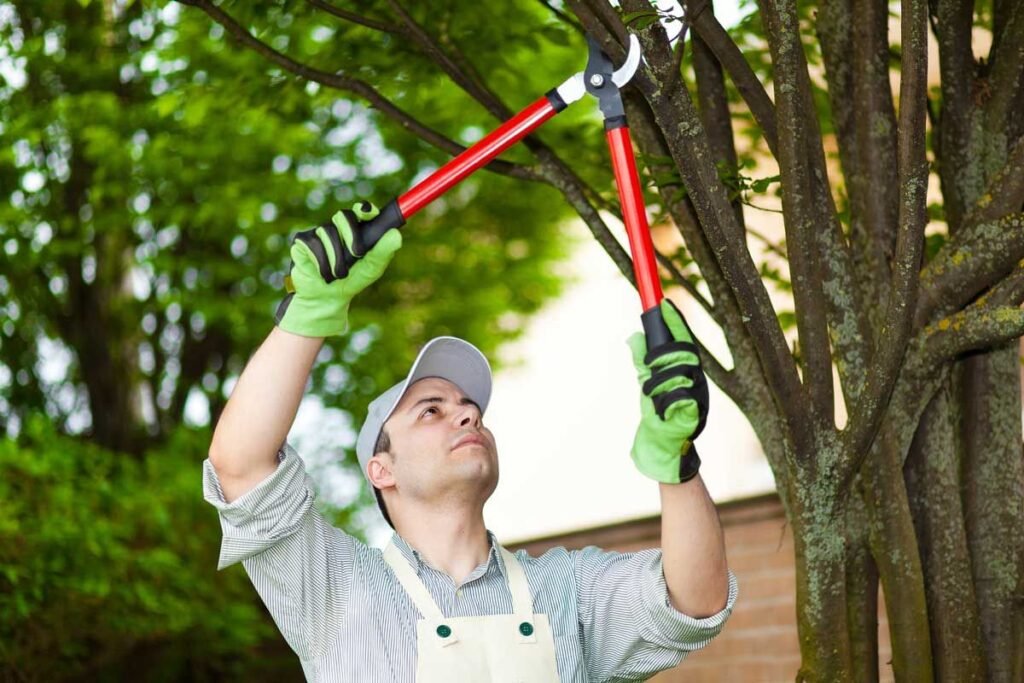
Trees are a valuable part of any landscape, but they require routine maintenance to stay healthy and structurally strong. One of the most effective ways to maintain healthy trees is through professional pruning. Proper pruning removes weak, damaged, and diseased branches while encouraging healthy growth, improving appearance, and reducing potential safety hazards around your property. Remove Dead and Diseased Branches Dead or infected branches can weaken the entire tree if they are left untreated. These branches often become entry points for insects and fungal diseases that may spread throughout the canopy. Professional pruning removes unhealthy growth before it affects the rest of the tree. Reduce the Risk of Falling Limbs Large branches weakened by age, disease, or storm damage can break unexpectedly. Limbs hanging over homes, driveways, sidewalks, or vehicles create serious safety concerns. Routine pruning eliminates hazardous branches before they cause injuries or property damage. Encourage Stronger Growth Proper pruning allows trees to direct nutrients toward healthy branches instead of supporting damaged or overcrowded growth. Benefits include: Healthy trees remain attractive and stable for many years. Improve Airflow and Sunlight Dense tree canopies often trap moisture and reduce air circulation, creating favorable conditions for fungal diseases. Overcrowded branches also block sunlight from reaching the inner canopy. Strategic pruning improves airflow and allows more sunlight to reach healthy branches, promoting vigorous growth. Protect Buildings and Utility Lines Branches growing too close to roofs, garages, utility lines, or neighboring properties can create costly problems over time. Regular pruning keeps trees at a safe distance from structures while maintaining their natural appearance. Preventive maintenance helps reduce future repair expenses. Increase Storm Resistance Well-pruned trees are better able to withstand strong winds, heavy rain, and snow. Removing weak branches reduces unnecessary weight in the canopy and lowers the chance of storm-related branch failure. Preparing trees before storm season is one of the best ways to improve landscape safety. Enhance Curb Appeal Healthy, properly pruned trees make any property look cleaner and more inviting. Balanced canopies complement lawns, gardens, and outdoor living spaces while increasing the overall visual appeal of residential and commercial landscapes. Well-maintained trees also contribute to higher property value. Why Professional Pruning Is Important Tree pruning requires experience and an understanding of tree biology. Incorrect cuts can weaken a tree, slow its recovery, or increase the risk of disease. Professional tree care specialists know how to prune different tree species safely while preserving their long-term health and natural beauty. Conclusion Professional tree pruning is an essential part of maintaining a healthy and safe landscape. By removing hazardous branches, encouraging stronger growth, improving airflow, and protecting nearby structures, routine pruning provides lasting benefits for both trees and property owners. Investing in regular tree maintenance helps ensure your landscape remains beautiful, safe, and healthy throughout every season.
Why Early Tree Removal Can Save You Thousands in Property Repairs
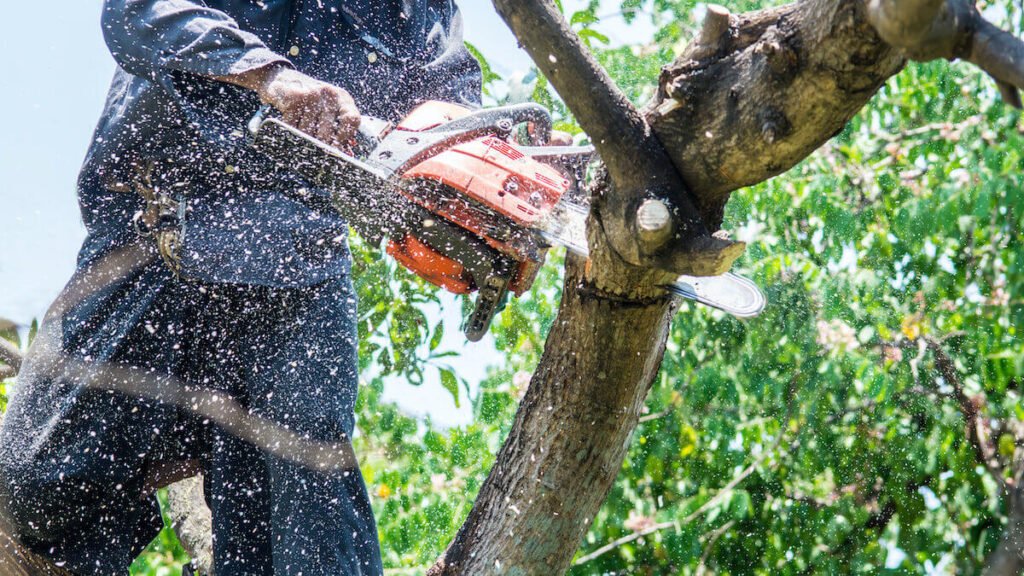
Many homeowners postpone tree removal because a damaged tree still appears stable. However, waiting too long can lead to expensive repairs and emergency situations. A tree that is dead, diseased, or structurally weak can fail without warning, especially during severe weather. Removing hazardous trees early is one of the most effective ways to protect your property and avoid unexpected costs. Prevent Roof Damage Large branches hanging over your home can become dangerous during high winds or heavy snowfall. A single falling limb can damage shingles, gutters, skylights, or even the structural framework of your roof. Professional tree removal eliminates these risks before costly repairs become necessary. Protect Vehicles and Driveways Trees growing near driveways or parking areas can drop heavy branches that damage cars, trucks, and other vehicles. In severe cases, an entire tree may fall and block access to your property. Early removal keeps your vehicles safe and ensures your driveway remains accessible. Reduce Liability Risks Dead or unstable trees located near sidewalks, neighboring properties, or public spaces can become a legal liability if they cause injuries or property damage. Removing hazardous trees before an accident occurs helps protect homeowners from unnecessary legal and financial complications. Prevent Foundation and Landscape Damage Some mature trees develop large root systems that can interfere with: Addressing tree problems early helps prevent expensive repairs to hardscape features around your property. Avoid Emergency Tree Removal Costs Emergency tree removal often requires immediate response after storms or unexpected tree failures. Because these situations are more dangerous and time-sensitive, emergency services are usually more expensive than scheduled tree removal. Planning ahead allows homeowners to schedule work at a convenient time while avoiding emergency service costs. Protect Healthy Trees Trees affected by disease or severe insect infestations can spread problems to nearby healthy trees. Removing a severely damaged tree early helps preserve the health of the rest of your landscape. A healthy landscape is easier and less expensive to maintain over time. Improve Property Appearance Removing an unsafe or dying tree instantly improves the appearance of your yard. It also creates space for: Healthy, open landscapes contribute to better curb appeal and increased property value. Why Hire Professional Tree Removal Experts? Tree removal requires specialized equipment, technical knowledge, and proper safety procedures. Professionals evaluate the safest removal method based on the tree’s size, condition, and location while protecting nearby buildings and landscaping throughout the process. They also handle debris removal and optional stump grinding for a complete cleanup. Conclusion Delaying tree removal can lead to significant property damage, expensive emergency repairs, and unnecessary safety risks. By removing hazardous trees before they fail, homeowners can protect their investment, reduce long-term maintenance costs, and maintain a safer, more attractive landscape. Regular inspections and timely professional tree removal are the best ways to keep your property protected year-round.
How Professional Tree Inspections Help Prevent Unexpected Tree Failures
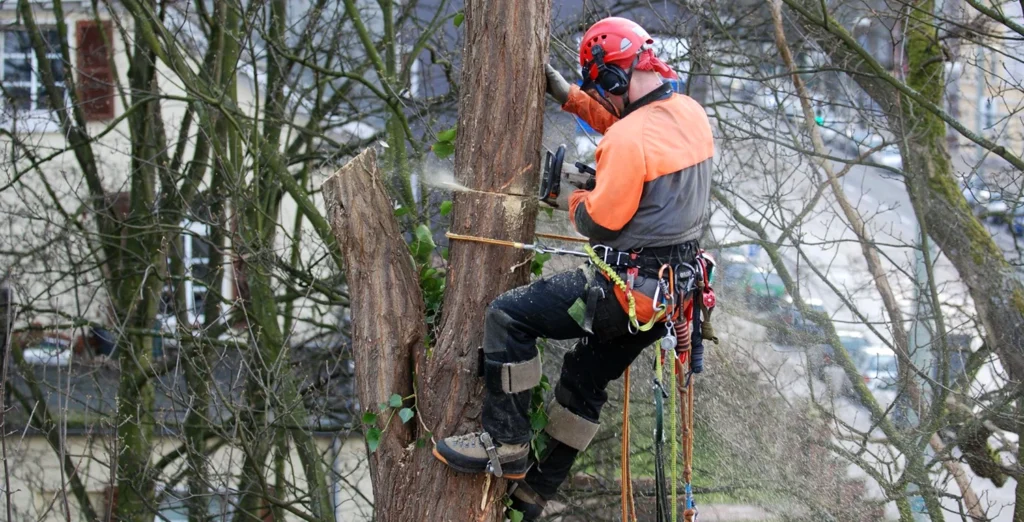
Trees can appear healthy on the outside while hiding serious structural problems inside. Without regular inspections, these hidden issues may go unnoticed until a branch breaks or the entire tree falls. Professional tree inspections help identify potential hazards early, allowing property owners to address problems before they become dangerous or expensive. Detect Hidden Structural Damage Not all tree problems are visible from the ground. Internal decay, cracked limbs, and weakened branch connections can develop over time without obvious warning signs. Professional inspections use visual assessments and industry knowledge to identify structural defects before they lead to tree failure. Identify Diseased or Dying Trees Tree diseases often begin gradually and may only show subtle symptoms during the early stages. Regular inspections can detect: Early diagnosis allows treatment before the disease spreads or the tree becomes hazardous. Reduce Storm Damage Risks Storms place tremendous stress on weakened trees. Branches with hidden cracks or decay are much more likely to break during high winds, while damaged root systems can cause entire trees to topple. Routine inspections help identify trees that should be pruned, supported, or removed before severe weather arrives. Protect Homes and Nearby Structures Trees growing close to buildings require regular monitoring. An inspection can determine whether branches are extending too close to: Addressing these issues early helps prevent costly repairs and improves property safety. Improve Tree Health Professional inspections aren’t only about finding hazards—they also help maintain healthy trees. Specialists can recommend pruning, soil improvements, watering adjustments, or pest treatments that encourage stronger growth and extend the tree’s lifespan. Healthy trees provide greater environmental and aesthetic benefits for many years. Save Money Through Preventive Maintenance Routine inspections often reveal minor issues that can be corrected with simple maintenance. Addressing problems early is far less expensive than paying for emergency tree removal or repairing storm-related property damage. Preventive care helps homeowners avoid unexpected costs. When Should Trees Be Inspected? Tree inspections are recommended: Regular evaluations help keep your landscape safe throughout every season. Why Choose Professional Tree Care? Experienced tree professionals understand tree biology, structural stability, and early signs of decline. They provide accurate recommendations based on the condition of each tree, helping homeowners make informed decisions about pruning, treatment, or removal. Professional inspections also improve long-term landscape planning. Conclusion Routine tree inspections are one of the best ways to protect your property from unexpected tree failures. By identifying hidden problems early, improving tree health, and reducing storm-related risks, professional evaluations help maintain a safer, healthier, and more attractive landscape. Preventive tree care is a smart investment that protects both your trees and your property for years to come.
How Removing Overgrown Trees Can Improve Your Property’s Value
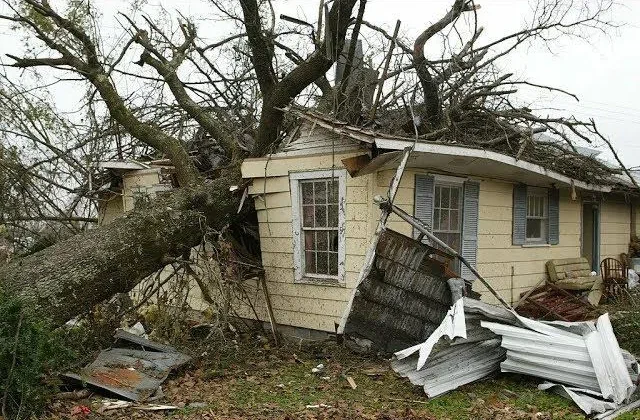
Healthy trees enhance the beauty of a property, but overgrown or neglected trees can have the opposite effect. Large, unmanaged trees may block sunlight, create safety hazards, and reduce the overall appeal of your landscape. Professional tree removal can improve the appearance, functionality, and value of your property while creating a safer outdoor environment. Improve Curb Appeal First impressions matter, especially if you’re planning to sell your home. Overgrown trees can make a property look neglected by covering the front of the house or overshadowing gardens and landscaping. Removing unhealthy or poorly placed trees creates a cleaner, more open appearance that boosts curb appeal. Increase Natural Sunlight Large tree canopies can block sunlight from reaching your lawn, flower beds, patio, and even your home’s windows. Limited sunlight may affect grass growth and make outdoor spaces feel darker. Tree removal allows more natural light to reach your landscape, creating a brighter and healthier environment. Eliminate Safety Hazards Old or overgrown trees often develop weak branches, internal decay, or unstable root systems. These problems increase the risk of falling limbs during storms, potentially causing damage to homes, vehicles, or nearby structures. Removing hazardous trees helps protect your property and provides greater peace of mind. Create More Usable Outdoor Space Removing an unwanted tree opens up valuable space for: A more functional yard can increase both enjoyment and property value. Protect Nearby Structures Tree roots and overgrown branches may eventually damage: Professional removal prevents these issues from becoming expensive repair projects. Improve the Health of Other Trees When one tree becomes too large, it often competes with nearby trees and plants for sunlight, water, and nutrients. Removing overcrowded or unhealthy trees allows surrounding vegetation to grow stronger and healthier. This creates a more balanced and attractive landscape. Make Property Maintenance Easier Large trees produce significant amounts of leaves, seeds, and branches throughout the year. Removing unnecessary trees reduces cleanup, makes lawn maintenance easier, and decreases the need for frequent gutter cleaning. Less maintenance means lower long-term landscaping costs. Why Professional Tree Removal Is Important Large tree removal requires specialized equipment and careful planning. Professional tree care teams safely remove trees while protecting nearby buildings, landscaping, and utility lines. They also provide complete debris cleanup and can perform stump grinding if requested, leaving the property ready for future improvements. Conclusion Removing overgrown or hazardous trees can dramatically improve the appearance, safety, and functionality of your property. By increasing usable space, reducing maintenance, protecting nearby structures, and enhancing curb appeal, professional tree removal is a valuable investment for homeowners looking to improve both their landscape and property value.
Why Professional Tree Removal Is Safer Than Doing It Yourself
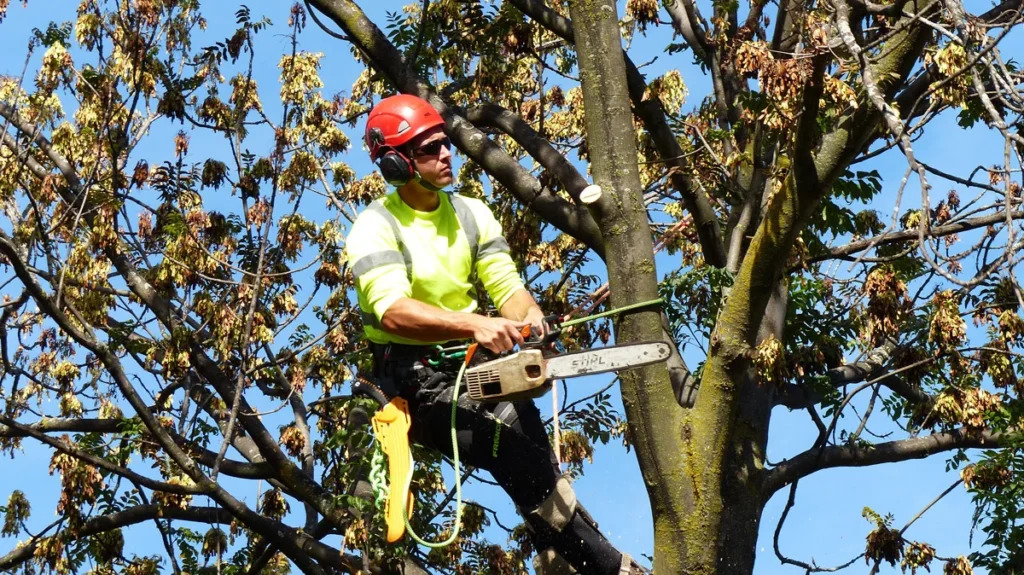
Removing a tree may seem like a manageable weekend project, but it is one of the most dangerous types of outdoor work. Large trees can weigh several tons, and one mistake can lead to serious injuries or costly property damage. Professional tree removal services have the experience, equipment, and safety procedures needed to complete the job efficiently while protecting your home and landscape. Every Tree Requires a Removal Plan No two trees are exactly alike. Before removing a tree, professionals evaluate several factors, including: This careful assessment helps determine the safest removal method while reducing the risk of accidents. Specialized Equipment Improves Safety Professional tree removal crews use equipment specifically designed for challenging tree work, such as: Using the right equipment allows each section of the tree to be lowered safely instead of falling uncontrolled. Protect Your Home and Property Trees growing close to houses, garages, fences, or driveways require precision during removal. Professionals carefully dismantle large trees in sections to prevent damage to nearby structures. This controlled process is especially important in neighborhoods where space is limited. Avoid Serious Injuries DIY tree removal can result in: Professional crews receive specialized safety training and follow proven procedures that significantly reduce these risks. Save Time and Money While hiring professionals may seem like an added expense, it often saves money in the long run. Improper tree removal can lead to damaged roofs, broken fences, landscaping repairs, or emergency medical costs. Professional services complete the job efficiently while helping homeowners avoid unexpected expenses. Complete Cleanup After Removal Tree removal doesn’t end when the trunk reaches the ground. Professional services typically include: A clean property allows homeowners to immediately begin new landscaping or construction projects. When Should a Tree Be Removed? Tree removal may be necessary if a tree is: A professional inspection can determine whether removal is the safest solution. The Value of Professional Tree Care Experienced tree care specialists do more than remove trees—they evaluate tree health and recommend preservation whenever possible. If pruning, treatment, or cabling can safely extend the life of a tree, professionals will often suggest those options before recommending removal. Conclusion Professional tree removal provides the safest and most effective solution for hazardous or unwanted trees. With proper planning, specialized equipment, and expert techniques, trained professionals can remove trees while minimizing risks to people and property. Whether dealing with storm damage, disease, or aging trees, investing in professional tree removal helps ensure your landscape remains safe, clean, and well-maintained.
How Tree Cabling and Bracing Can Save a Damaged Tree
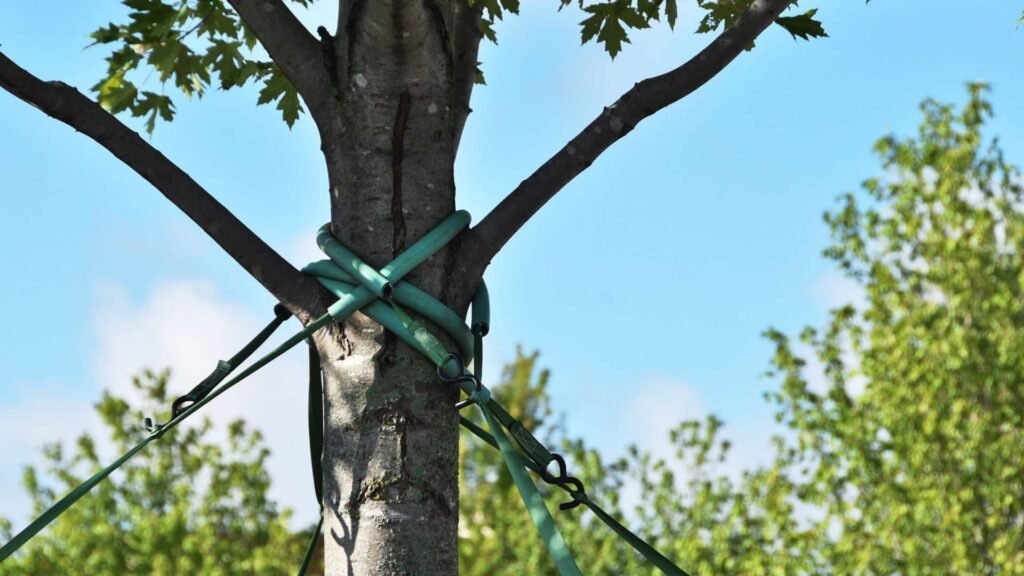
Not every damaged tree needs to be removed. In many cases, trees with weak branches or structural defects can be preserved through professional cabling and bracing. These support systems strengthen vulnerable trees, reduce the risk of branch failure, and help extend the life of valuable mature trees. For homeowners who want to preserve healthy trees while improving safety, cabling and bracing can be an effective long-term solution. What Is Tree Cabling? Tree cabling involves installing high-strength steel cables between major branches or stems to provide additional support. The cables help distribute the tree’s weight more evenly and reduce stress on weak limbs during high winds or heavy snow. Cabling is commonly recommended for mature trees with multiple trunks or heavy, overextended branches. What Is Tree Bracing? Tree bracing uses threaded steel rods that are installed through weak branch unions or split trunks. These rods provide permanent structural support and help stabilize areas that have been weakened by cracks or storm damage. Bracing is often used together with cabling to strengthen trees with significant structural concerns. When Is Cabling or Bracing Needed? Professional tree care specialists may recommend support systems if a tree has: Every tree should be evaluated individually before deciding on the appropriate treatment. Benefits of Cabling and Bracing Properly installed support systems offer several advantages: These systems allow many trees to remain healthy while improving overall safety. Regular Inspections Are Still Important Cables and braces are not permanent solutions that can be ignored after installation. Trees continue to grow, and support systems should be inspected periodically to ensure they remain effective. Routine evaluations allow professionals to adjust or replace hardware when necessary while monitoring the tree’s overall health. Combine Support with Proper Tree Care Cabling and bracing work best when combined with other maintenance practices, including: Together, these services help maintain a healthier and stronger tree for many years. Why Professional Installation Matters Installing cables or braces requires specialized knowledge of tree biology and structural support. Incorrect installation can weaken the tree instead of strengthening it. Experienced tree care professionals determine the proper placement of support systems while minimizing stress on the tree and preserving its natural growth. When Tree Removal Is Still Necessary Although cabling and bracing can save many trees, they are not suitable for every situation. Trees that are completely dead, severely decayed, or structurally unstable may still require removal to protect nearby people and property. A professional inspection is the best way to determine whether preservation or removal is the safest option. Conclusion Tree cabling and bracing provide an excellent alternative to removal for many structurally weakened trees. By reinforcing vulnerable branches and trunks, these support systems improve safety while allowing valuable trees to continue growing. Combined with regular inspections and professional maintenance, cabling and bracing can help homeowners preserve the beauty and benefits of mature trees for many years to come.
6 Benefits of Regular Tree Maintenance for Residential and Commercial Properties
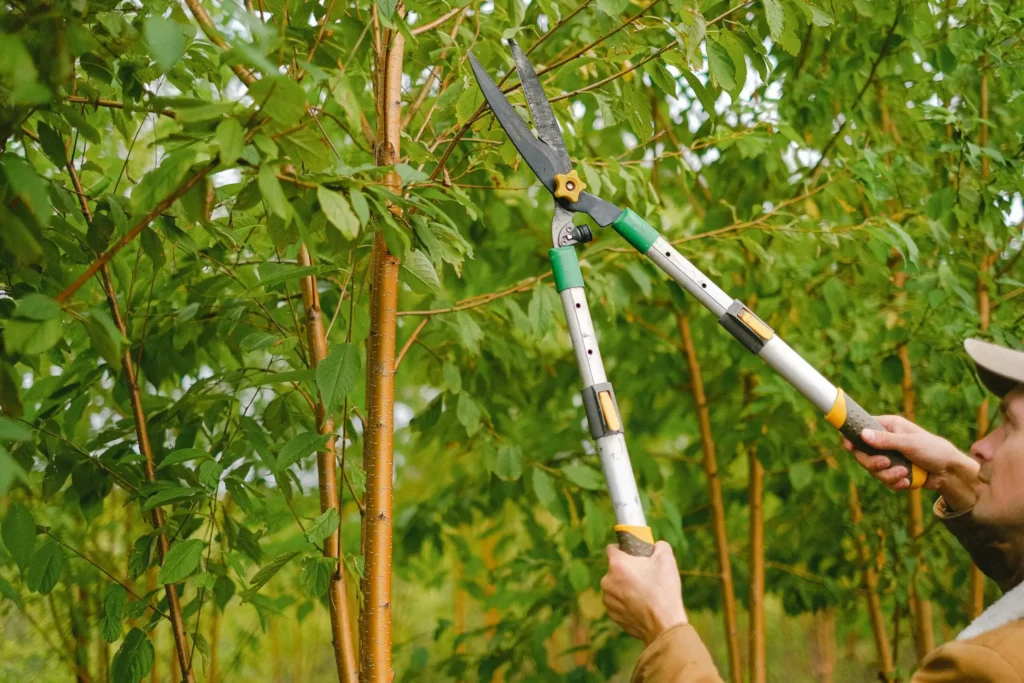
Trees are a valuable asset for both homes and businesses, providing shade, beauty, and environmental benefits. However, without proper maintenance, trees can become overgrown, unhealthy, and potentially hazardous. Regular tree care not only improves the appearance of your landscape but also helps protect your property from costly damage. Whether you own a home or manage a commercial property, investing in routine tree maintenance offers long-term benefits. 1. Keeps Trees Healthy Regular maintenance helps trees stay strong by removing dead, diseased, and damaged branches. Professional pruning improves air circulation and sunlight penetration, allowing trees to grow healthier and resist pests and diseases more effectively. Healthy trees are also better able to recover from harsh weather conditions. 2. Reduces Safety Hazards Overgrown branches and weakened trees can become dangerous during storms or high winds. Routine inspections help identify potential risks before they lead to falling limbs or tree failure. Removing hazardous branches protects: Preventive maintenance greatly reduces the likelihood of emergency tree removal. 3. Improves Property Appearance Well-maintained trees create a clean, professional appearance that enhances any landscape. Proper pruning encourages balanced growth while improving curb appeal for residential properties and creating a welcoming environment for commercial locations. Healthy trees can significantly improve the overall look of your outdoor space. 4. Prevents Expensive Property Damage Branches growing too close to buildings, roofs, or utility lines can cause significant damage if left unmanaged. Routine trimming helps prevent costly repairs by keeping trees safely away from structures. Preventive tree care is far more affordable than repairing damage caused by fallen branches or unstable trees. 5. Extends the Life of Your Trees Trees that receive regular professional care often live longer than neglected trees. Early detection of disease, pest infestations, and structural problems allows professionals to provide treatment before permanent damage occurs. Consistent maintenance protects your landscape investment for years to come. 6. Increases Property Value Healthy, mature trees are an attractive feature for both residential and commercial properties. A well-maintained landscape creates a positive first impression and may increase property value by improving curb appeal and reducing future maintenance concerns. Potential buyers and customers are more likely to appreciate a property with healthy, professionally maintained trees. Why Professional Tree Care Matters Tree maintenance requires more than simply trimming branches. Experienced professionals understand proper pruning techniques, tree health, and safe removal methods when necessary. Professional services typically include: These services work together to maintain a safe, healthy, and attractive landscape. When Should Trees Be Maintained? Most trees benefit from routine inspections at least once a year. Additional maintenance is recommended after severe storms, when branches become overgrown, or whenever signs of disease or structural damage appear. Early attention helps prevent minor problems from becoming costly emergencies. Conclusion Regular tree maintenance is one of the best investments you can make for your residential or commercial property. Healthy trees improve curb appeal, increase property value, reduce safety risks, and help prevent expensive repairs. By scheduling routine inspections and professional tree care, you can enjoy a safer, healthier, and more attractive landscape throughout every season.
Why Removing Dead Branches Is Essential for Healthy Trees
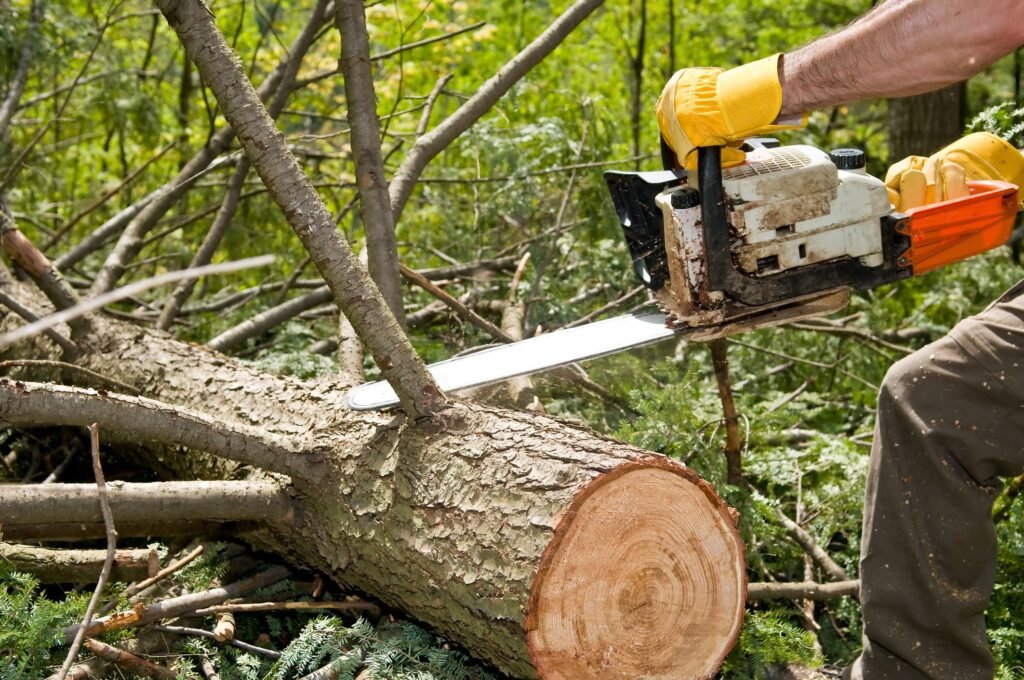
Trees naturally lose branches as they age, but leaving dead or damaged limbs in place can create serious safety risks and affect the overall health of the tree. Dead branches are weaker than healthy ones and are far more likely to fall during high winds, heavy rain, or snow. Regular removal of dead branches helps protect your property while encouraging healthier tree growth. Dead Branches Can Fall Without Warning One of the biggest dangers of dead branches is their unpredictability. Even on a calm day, weakened limbs can suddenly break and fall, posing a risk to people, vehicles, and nearby structures. The risk increases significantly during storms when strong winds place additional stress on already weakened branches. Improve Tree Health Dead branches no longer contribute to the tree’s growth, yet they can become a source of disease and insect infestations. Removing these branches allows the tree to direct its nutrients toward healthy limbs and new growth. Routine pruning helps: Healthy trees are better equipped to resist disease and recover from environmental stress. Prevent Property Damage Overhanging dead limbs can damage: Removing hazardous branches before they fall is much less expensive than repairing property after an accident. Reduce the Spread of Disease Diseased branches can spread infections to the rest of the tree if they are not removed promptly. In some cases, fungal diseases and insect infestations may even spread to nearby healthy trees. Early pruning helps contain these problems while improving the long-term health of your landscape. Increase Storm Resistance Trees with excessive dead wood are more vulnerable to storm damage. Professional pruning reduces unnecessary weight in the canopy and removes weak limbs that are most likely to fail during severe weather. Proper maintenance helps trees remain stronger and more stable throughout the year. Improve the Appearance of Your Landscape Dead branches make even healthy trees look neglected. Removing them improves the tree’s natural shape and enhances the overall appearance of your property. Well-maintained trees also contribute to higher curb appeal and create a cleaner, more attractive outdoor environment. Signs Your Tree Needs Pruning You should consider professional tree pruning if you notice: Addressing these issues early helps prevent larger problems later. Why Hire Professional Tree Care Experts? Removing large branches requires specialized equipment and proper pruning techniques. Incorrect cuts can weaken the tree or create entry points for disease. Professional tree care specialists know how to remove hazardous branches safely while preserving the health and natural structure of the tree. Conclusion Dead branch removal is one of the simplest and most effective ways to improve tree health and property safety. Regular pruning reduces the risk of falling limbs, prevents disease, enhances curb appeal, and helps trees grow stronger for years to come. By investing in professional tree maintenance, homeowners can protect both their landscape and their property from avoidable hazards.
How to Protect Trees During Construction and Home Improvement Projects
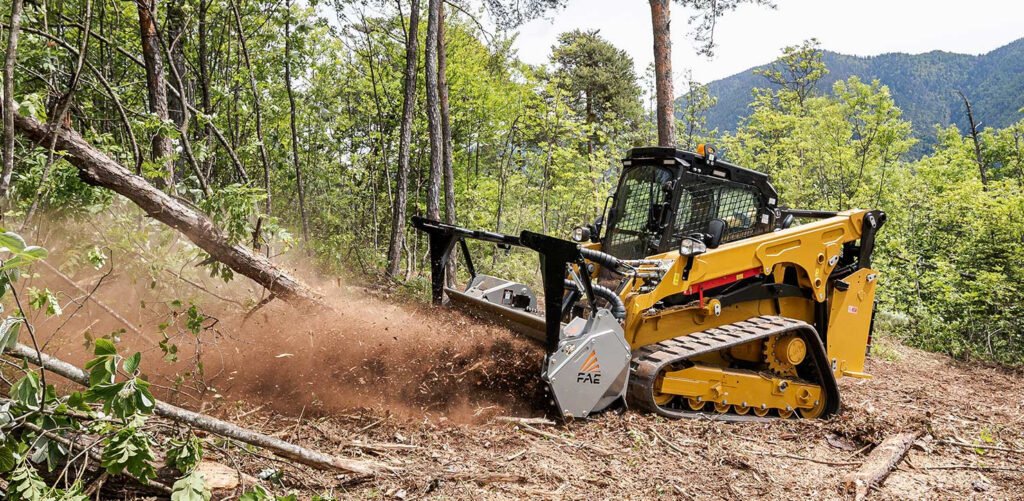
Home improvement projects can increase your property’s value, but they can also cause serious damage to nearby trees if proper precautions aren’t taken. Construction equipment, excavation, and changes to the landscape often affect tree roots and soil conditions, leading to long-term health problems. Protecting your trees before, during, and after construction helps preserve your landscape while preventing unnecessary tree loss. Why Construction Can Harm Trees Most of a tree’s root system lies just below the soil surface. Digging trenches, installing patios, building driveways, or adding new foundations can easily damage these roots. Even if the tree appears healthy immediately after construction, root damage may cause gradual decline over the following months or years. Professional tree care before construction can help identify and reduce these risks. Protect the Root Zone The area around a tree’s roots is one of its most important parts. Heavy machinery and constant foot traffic can compact the soil, making it difficult for roots to absorb water and oxygen. To protect the root zone: These simple precautions can significantly reduce construction-related damage. Avoid Cutting Major Roots Large roots provide stability and transport water and nutrients throughout the tree. Cutting too many structural roots can weaken the tree and increase the risk of failure during storms. If excavation must occur near mature trees, consult a professional tree service before work begins. Prevent Trunk Damage Construction equipment can accidentally scrape or strike tree trunks. Damaged bark exposes the tree to insects, fungal diseases, and decay. Protect trunks by installing wooden barriers or protective wraps around trees located near active work zones. Monitor Trees After Construction Tree damage isn’t always visible right away. Watch for signs such as: If these symptoms appear after construction, schedule a professional tree inspection as soon as possible. Water Trees During Construction Construction often changes drainage patterns and soil moisture levels. Trees experiencing root stress may require additional watering during and after the project to support recovery. Deep watering helps reduce stress and encourages healthy root development. Schedule a Professional Tree Inspection Having your trees inspected before and after construction helps identify potential risks early. Tree care professionals can recommend pruning, root protection, or other measures that improve the chances of long-term survival. Preventive care is far less expensive than removing a mature tree that declines because of avoidable construction damage. Benefits of Protecting Trees During Construction Conclusion Construction projects and healthy trees can coexist with proper planning. By protecting root systems, preventing trunk damage, minimizing soil compaction, and scheduling professional inspections, homeowners can complete renovations without sacrificing valuable trees. Taking these preventive steps ensures your landscape remains safe, attractive, and healthy long after construction is complete.