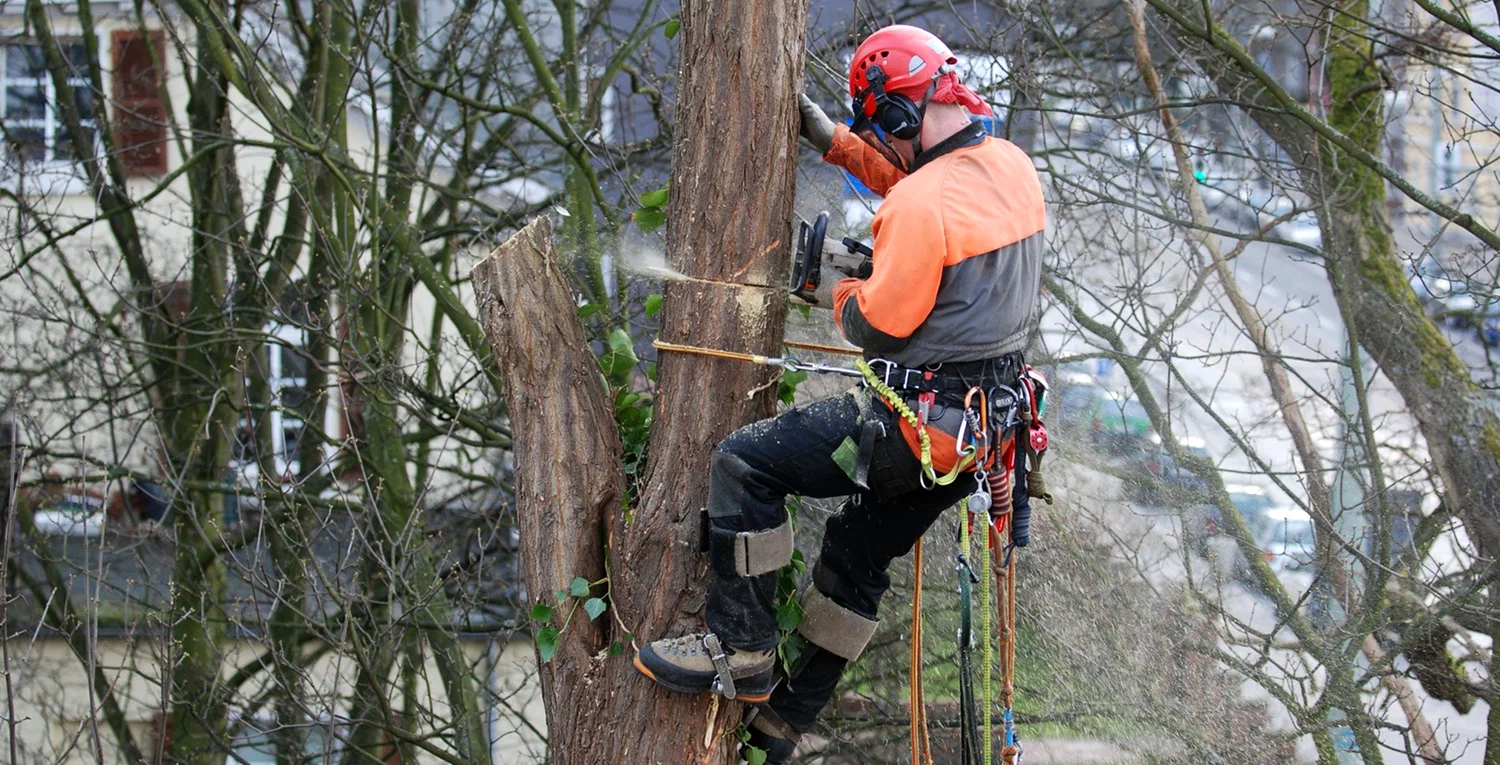
Trees can appear healthy on the outside while hiding serious structural problems inside. Without regular inspections, these hidden issues may go unnoticed until a branch breaks or the entire tree falls. Professional tree inspections help identify potential hazards early, allowing property owners to address problems before they become dangerous or expensive.
Detect Hidden Structural Damage
Not all tree problems are visible from the ground. Internal decay, cracked limbs, and weakened branch connections can develop over time without obvious warning signs.
Professional inspections use visual assessments and industry knowledge to identify structural defects before they lead to tree failure.
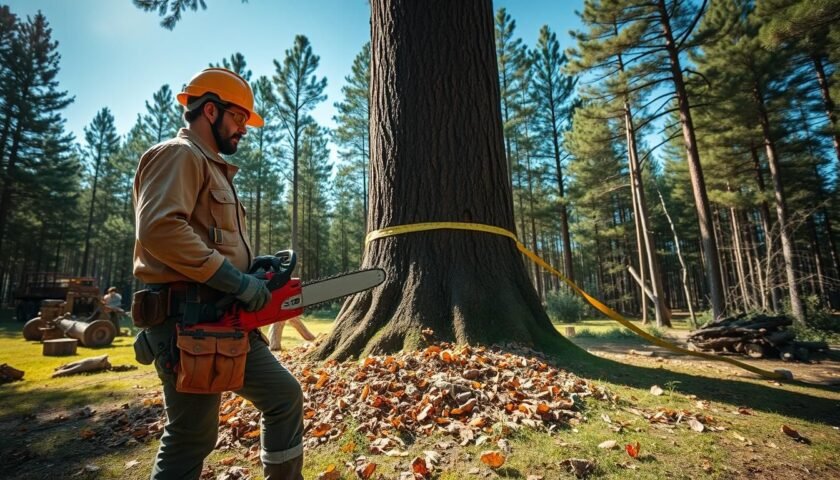
Identify Diseased or Dying Trees
Tree diseases often begin gradually and may only show subtle symptoms during the early stages. Regular inspections can detect:
- Dead branches
- Fungal growth
- Leaf discoloration
- Bark damage
- Insect infestations
- Root decline
Early diagnosis allows treatment before the disease spreads or the tree becomes hazardous.
Reduce Storm Damage Risks
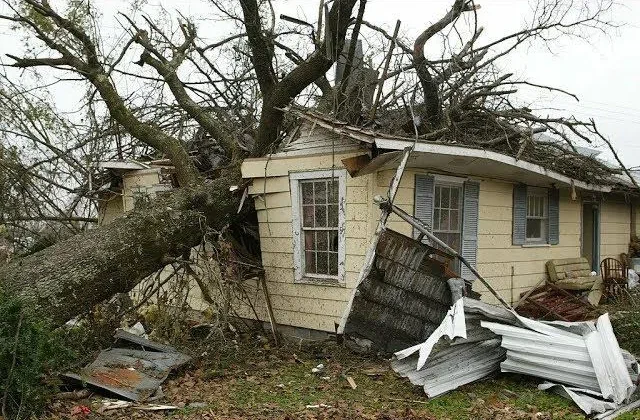
Storms place tremendous stress on weakened trees. Branches with hidden cracks or decay are much more likely to break during high winds, while damaged root systems can cause entire trees to topple.
Routine inspections help identify trees that should be pruned, supported, or removed before severe weather arrives.
Protect Homes and Nearby Structures
Trees growing close to buildings require regular monitoring. An inspection can determine whether branches are extending too close to:
- Roofs
- Windows
- Garages
- Power lines
- Driveways
- Sidewalks
Addressing these issues early helps prevent costly repairs and improves property safety.
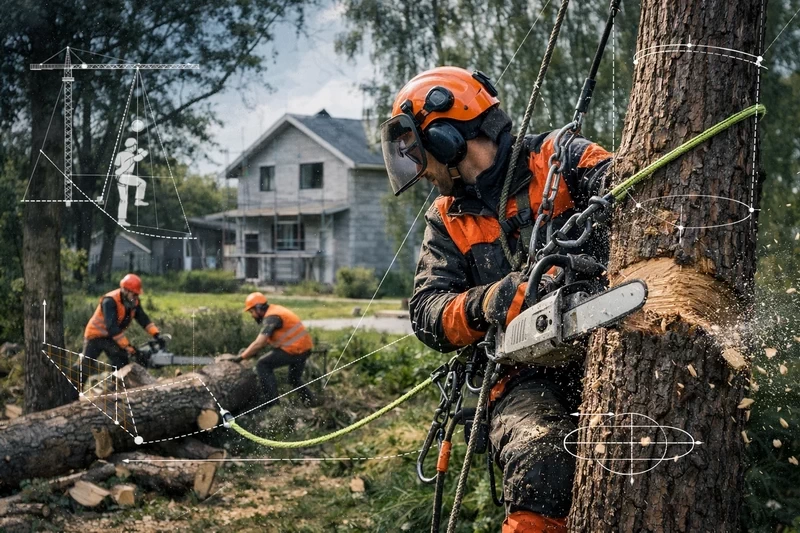
Improve Tree Health
Professional inspections aren’t only about finding hazards—they also help maintain healthy trees. Specialists can recommend pruning, soil improvements, watering adjustments, or pest treatments that encourage stronger growth and extend the tree’s lifespan.
Healthy trees provide greater environmental and aesthetic benefits for many years.
Save Money Through Preventive Maintenance
Routine inspections often reveal minor issues that can be corrected with simple maintenance. Addressing problems early is far less expensive than paying for emergency tree removal or repairing storm-related property damage.
Preventive care helps homeowners avoid unexpected costs.
When Should Trees Be Inspected?
Tree inspections are recommended:
- At least once each year
- After severe storms
- Before major construction projects
- When purchasing a property
- If a tree begins leaning
- When large branches die unexpectedly
Regular evaluations help keep your landscape safe throughout every season.
Why Choose Professional Tree Care?
Experienced tree professionals understand tree biology, structural stability, and early signs of decline. They provide accurate recommendations based on the condition of each tree, helping homeowners make informed decisions about pruning, treatment, or removal.
Professional inspections also improve long-term landscape planning.
Conclusion
Routine tree inspections are one of the best ways to protect your property from unexpected tree failures. By identifying hidden problems early, improving tree health, and reducing storm-related risks, professional evaluations help maintain a safer, healthier, and more attractive landscape. Preventive tree care is a smart investment that protects both your trees and your property for years to come.