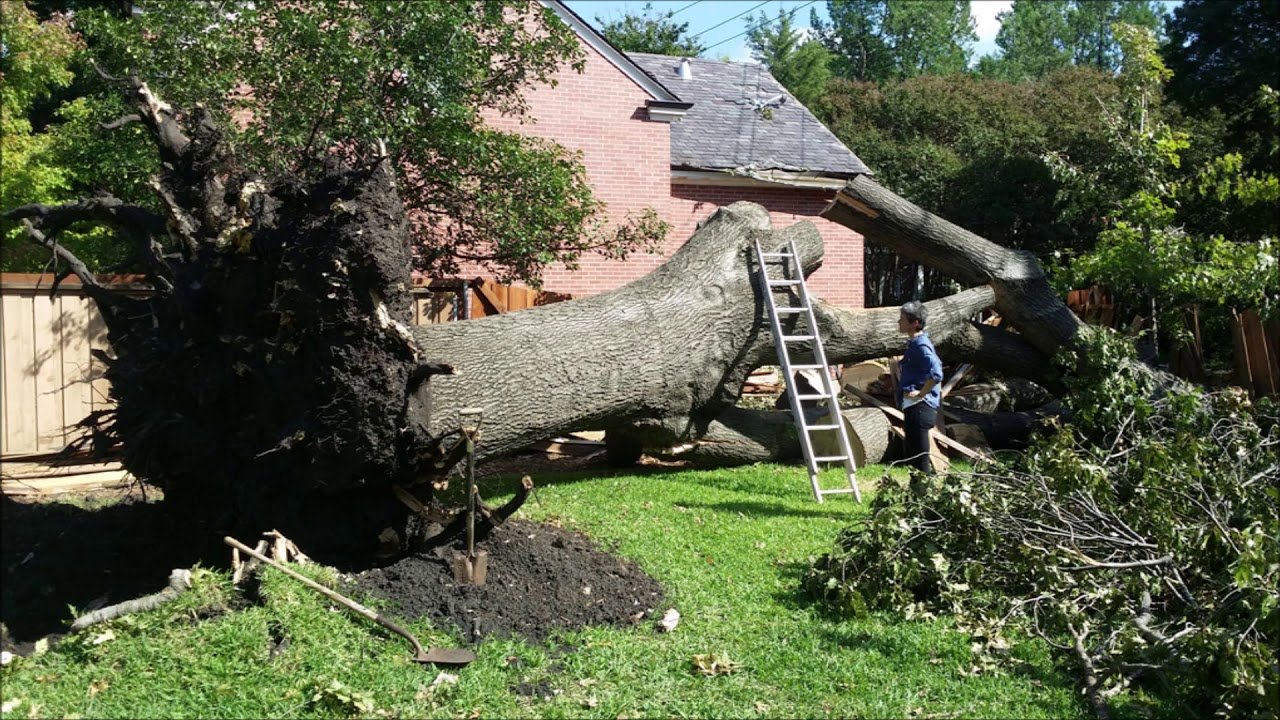
Trees make your property look beautiful, provide shade, and create a more comfortable outdoor space. However, trees also need proper care to remain healthy and safe. As trees grow older, they may develop dead branches, damaged trunks, weak limbs, or other problems that homeowners should not ignore.
If you have trees around your home in the Bronx, knowing when to trim a tree and when to consider removal can help you make better decisions about your property.
In this guide, Bronx Tree Pro explains seven common warning signs to look for, how regular tree care can help, and when you should contact a professional tree service.
- Dead or Falling Tree Branches
Dead branches are one of the most noticeable signs that a tree may need attention. You might see branches without leaves during the growing season, brittle limbs, or pieces of wood falling into your yard.
Dead branches can become dangerous when they hang above your roof, driveway, sidewalk, or outdoor seating area. Strong winds and storms may cause weak limbs to break unexpectedly.
What should you do?
Check your trees for visible dead or broken branches from a safe distance.
Pay attention to branches hanging over areas where people walk or park vehicles.
Arrange a professional assessment if large branches appear damaged.
Avoid climbing the tree or cutting heavy branches yourself.
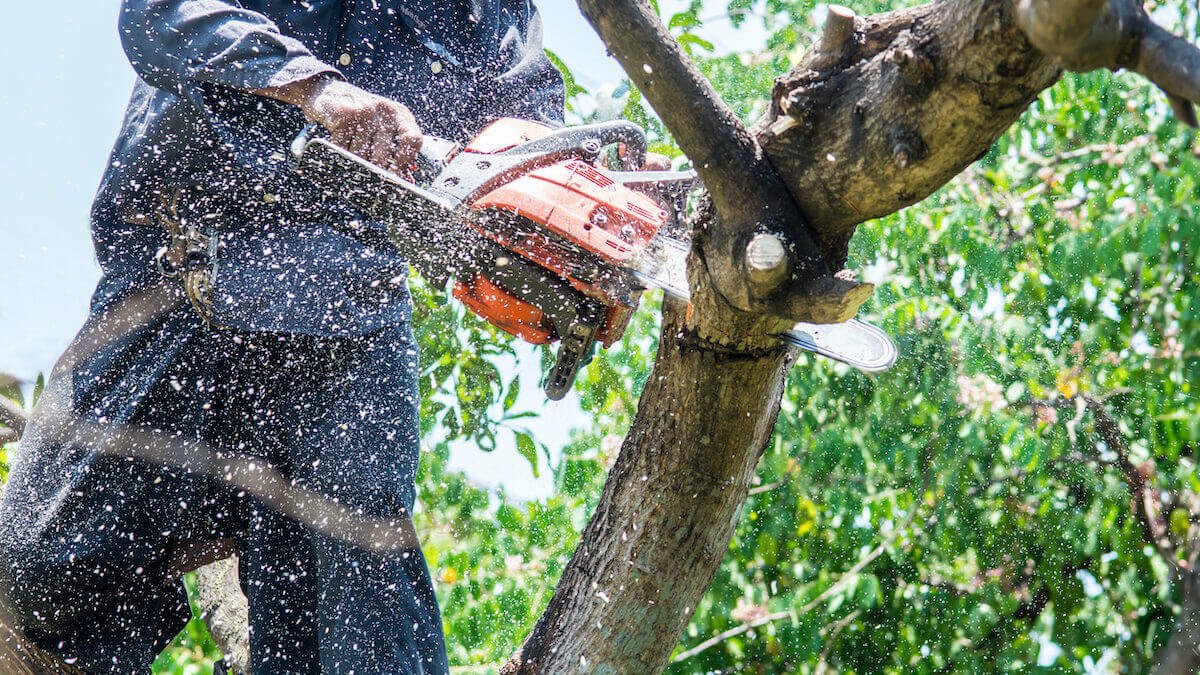
In some cases, removing damaged branches may be enough. If the entire tree is dead or severely damaged, complete tree removal may need to be considered.
- Large Branches Growing Too Close to Your House
Trees can grow significantly over time, and branches that once appeared harmless may eventually extend over your roof, windows, gutters, or garage.
Branches rubbing against a roof can damage roofing materials, while excessive growth near buildings may make property maintenance more difficult. Branches extending over driveways or walkways can also interfere with everyday activities.
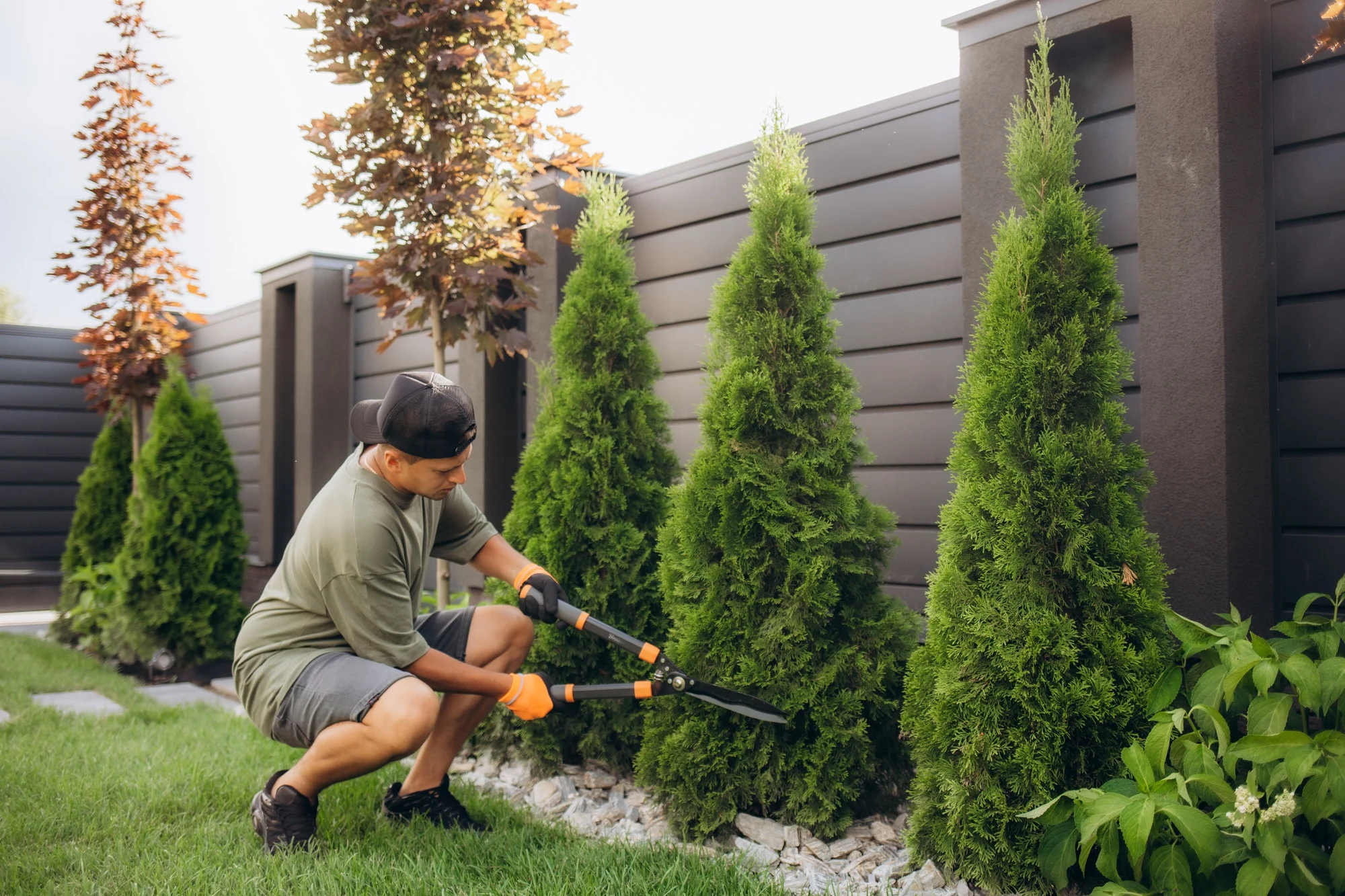
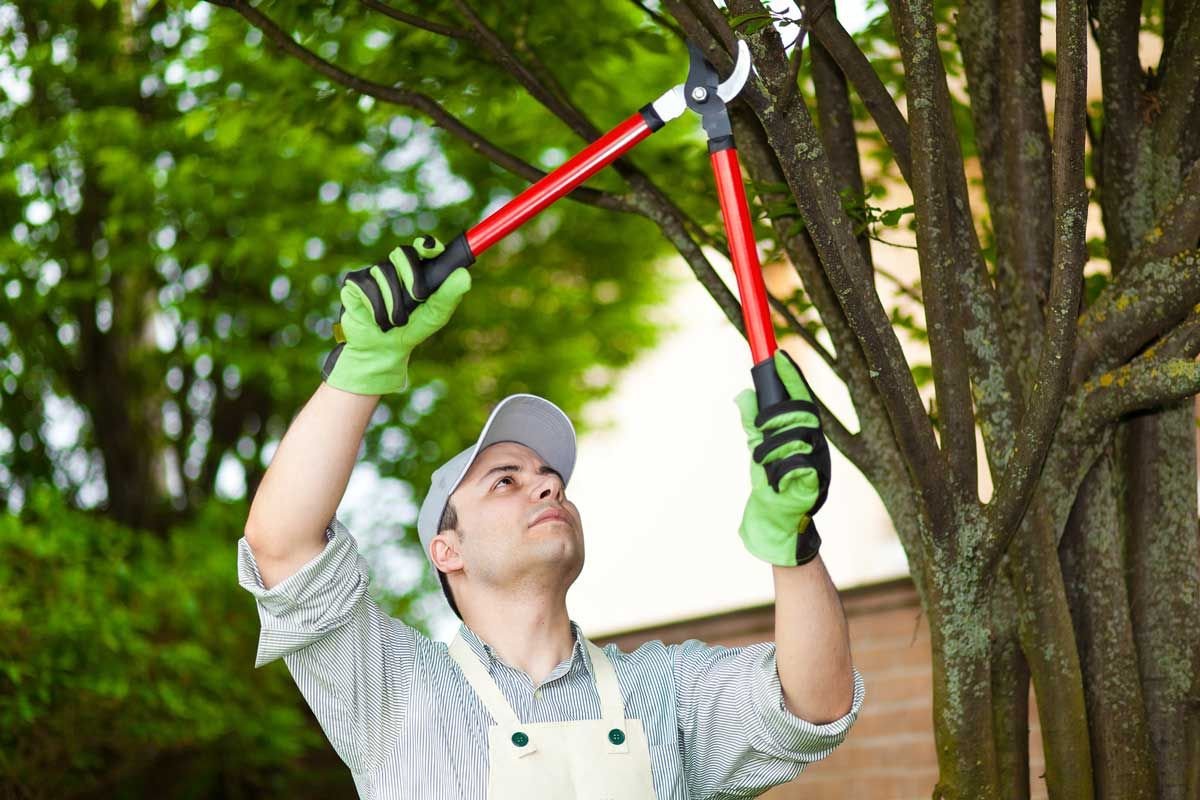
Tree trimming and pruning can help manage unwanted growth when the tree is otherwise suitable to retain.
Before trimming, consider the tree’s size, condition, and distance from your home. Large branches near buildings may require specialized equipment and careful planning.
If a tree has grown too close to your property, Bronx Tree Pro can help you understand whether trimming or another tree service may be appropriate.
- Cracks in the Tree Trunk
The trunk supports the tree and helps carry water and nutrients between its roots and branches. Large cracks, splits, cavities, or visible areas of decay may indicate structural problems.
Not every crack means a tree must be removed. Some trees can continue growing despite limited damage, while others may have serious weaknesses that require attention.
Look for signs such as:
Deep cracks or splits in the trunk.
Large cavities or areas of visible decay.
Bark separating from significant sections of the trunk.
Major damage following strong winds or storms.
If you notice these warning signs, arrange an assessment rather than attempting to repair the trunk yourself. A professional can evaluate the tree’s condition and discuss whether monitoring, pruning, or removal may be necessary.
- A Tree Suddenly Starts Leaning
Some trees naturally grow at an angle, so a leaning trunk does not automatically mean there is a problem. However, a tree that suddenly begins leaning after a storm deserves immediate attention.
Changes in the ground around the tree may also indicate trouble. For example, soil lifting near the trunk, exposed roots, or a newly tilted root plate can suggest that the tree has become unstable.
Important safety advice: Keep people away from a tree that suddenly leans or shows signs of root failure. Do not attempt to pull it upright or cut it down yourself.
A prompt assessment can help determine the level of concern and whether removal is needed to address potential hazards near your home or neighboring property.
- Your Tree Has Serious Storm Damage
Storms can damage trees in several ways. Strong winds may break major limbs, heavy rain can contribute to unstable ground, and falling objects may damage trunks or branches.
After a storm, inspect your property only from a safe location. Look for broken branches, split trunks, fallen trees, and visible changes around the base of the tree.
Here are some important steps to follow:
Keep children and pets away from damaged trees.
Avoid standing beneath hanging or broken branches.
Never approach a tree that is touching electrical wires.
Contact the utility company if power lines are involved.
Arrange a professional assessment for significant tree damage.
Not every storm-damaged tree needs removal. Some can recover with appropriate care, while severely damaged or unstable trees may require removal.
- Your Tree Has Roots Affecting Nearby Surfaces
Tree roots help support the tree and absorb water and nutrients from the soil. As roots grow, they may sometimes affect nearby sidewalks, driveways, patios, or other paved surfaces.
However, damaged pavement does not automatically mean that the tree should be removed. The actual cause of the problem, the tree’s condition, and the location of the roots should be evaluated before deciding what to do.
Avoid cutting large roots on your own. Removing major supporting roots can weaken a tree and potentially make it unstable.
If roots are affecting your property’s walkways or driveway, consider getting professional advice before making changes. Depending on the situation, there may be options to address the surface damage while retaining the tree.
- Your Tree Is Dead, Declining, or No Longer Suitable for Its Location
A tree may gradually decline because of disease, root damage, environmental stress, or age-related changes. Signs can include widespread dead branches, poor leaf growth during the growing season, significant trunk decay, and repeated branch failure.
Sometimes, appropriate care can help a declining tree. In other cases, the damage may be too extensive, particularly if the tree is near a home, driveway, or frequently used outdoor area.
Removal may also be considered when a tree interferes with planned property improvements or cannot reasonably remain in its current location.
Before deciding to remove a tree, have its condition evaluated. Choosing the right solution can help you avoid unnecessary removal while addressing genuine concerns about your property.
Tree Trimming vs. Tree Removal: Which Service Do You Need?
Understanding the difference between trimming and removal can help you decide what to discuss with a tree service professional.
Tree trimming or pruning
Tree removal
Removes selected branches
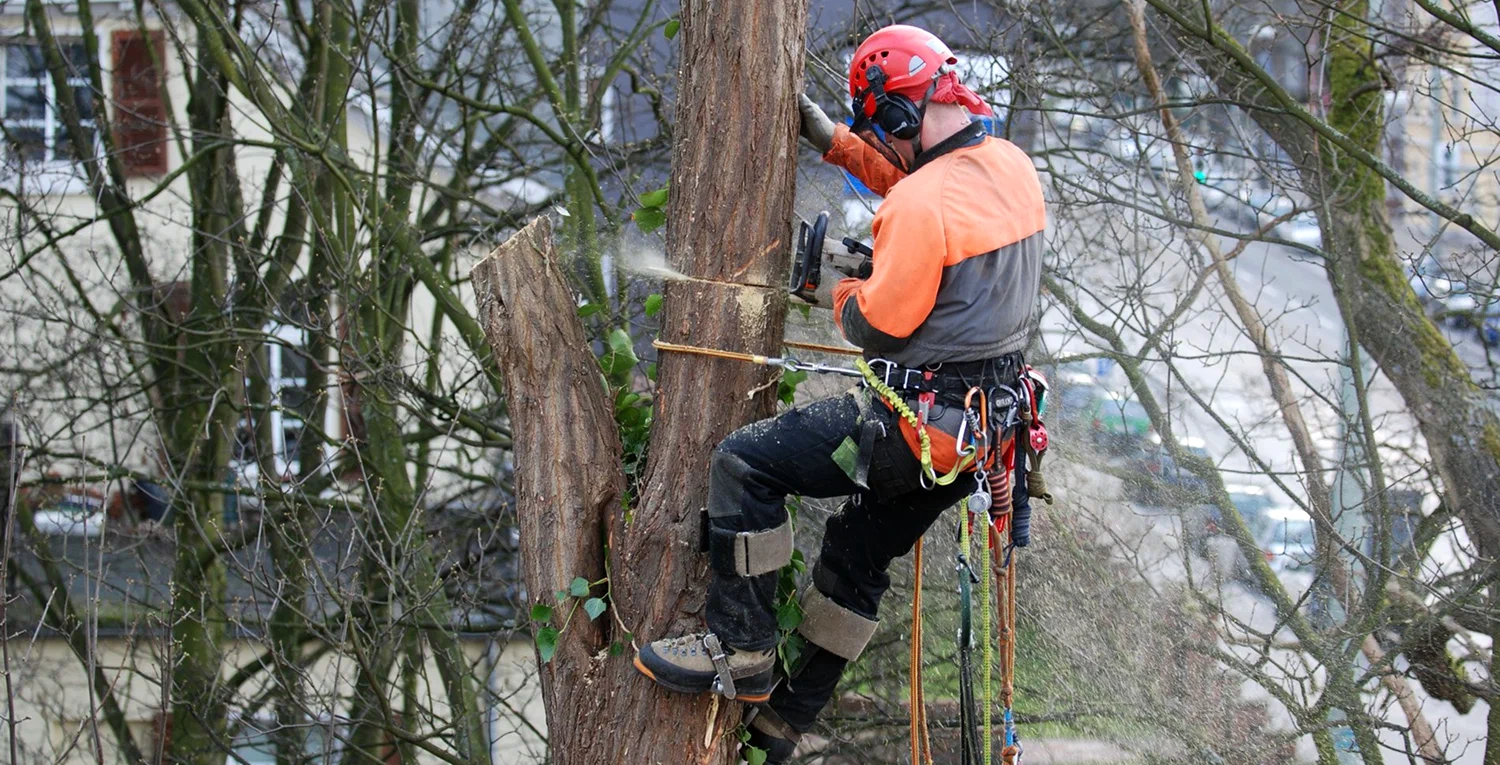
Removes the entire tree
Can manage unwanted growth
May be needed for dead or severely damaged trees
Can help maintain suitable tree structure
Can address certain hazards that cannot be reasonably managed through pruning
Retains the tree
Leaves a stump unless separate stump work is completed
The right service depends on the tree’s condition, location, and the reason for the work. A healthy tree with a few unwanted branches may only need pruning, while a severely damaged tree may require removal.
How Often Should You Check the Trees Around Your Home?
It is a good idea to observe the trees on your property throughout the year, particularly after strong winds, heavy rain, or severe storms.
Look for changes in the trunk, major branches, surrounding soil, and the tree’s overall appearance. Also pay attention to branches growing close to roofs, driveways, fences, and walkways.
Routine observation does not replace a professional inspection, but it can help you notice problems sooner. If you see major cracks, sudden leaning, hanging branches, or significant storm damage, avoid approaching the tree and seek appropriate assistance.
Regular tree care can help homeowners understand their property’s needs and plan maintenance before small concerns become more complicated.
Why Choose Bronx Tree Pro for Your Tree Service Needs?
Every tree and property is different. The right solution depends on the tree’s condition, the available space, nearby structures, and the type of work required.
Bronx Tree Pro helps homeowners address tree service needs, including tree removal, trimming, pruning, and other tree-related work. Whether you have concerns about dead branches, an overgrown tree, or storm damage, discussing the situation with a tree service provider can help you understand the next steps.
If you are unsure whether your tree needs trimming or removal, explain your concerns and request an estimate for the work your property may require.
Schedule Your Tree Service in the Bronx, NY
Do you have a tree with dead branches, visible trunk damage, excessive growth, or signs of storm damage?
Do not ignore changes that could indicate a potential problem. Assessing the tree’s condition can help you understand whether trimming, pruning, or removal may be appropriate.
Contact Bronx Tree Pro to discuss your tree service needs in the Bronx, NY, and request an estimate.
A little attention today can help you make better decisions about the trees around your home.
Frequently Asked Questions
- How do I know if my tree needs to be removed?
A tree may need removal if it is dead, severely damaged, structurally unstable, or creating a hazard that cannot reasonably be managed through other care. Large trunk cracks, extensive decay, and sudden leaning are reasons to arrange a professional assessment.
- Is tree trimming better than tree removal?
Neither service is always better. Trimming removes selected branches while retaining the tree. Removal may be appropriate when a tree is dead, severely damaged, or unsuitable for its location. The best option depends on the tree’s condition and surrounding environment.
- What is the best time of year to trim trees?
The ideal time depends on the tree species, its health, and the purpose of pruning. Some trees benefit from pruning during dormancy, while damaged or hazardous branches may require attention sooner. A suitable pruning schedule should account for the individual tree.
- Are dead branches dangerous?
Dead branches can break and fall, especially when exposed to strong winds or storms. Branches hanging above roofs, driveways, sidewalks, or areas where people gather deserve particular attention. Avoid removing large or elevated branches yourself.
- How much does tree removal cost in the Bronx?
The cost depends on tree height, trunk size, condition, accessibility, proximity to buildings, and the complexity of the work. Stump grinding and debris hauling may cost extra. Request an estimate based on the specific tree and property conditions.