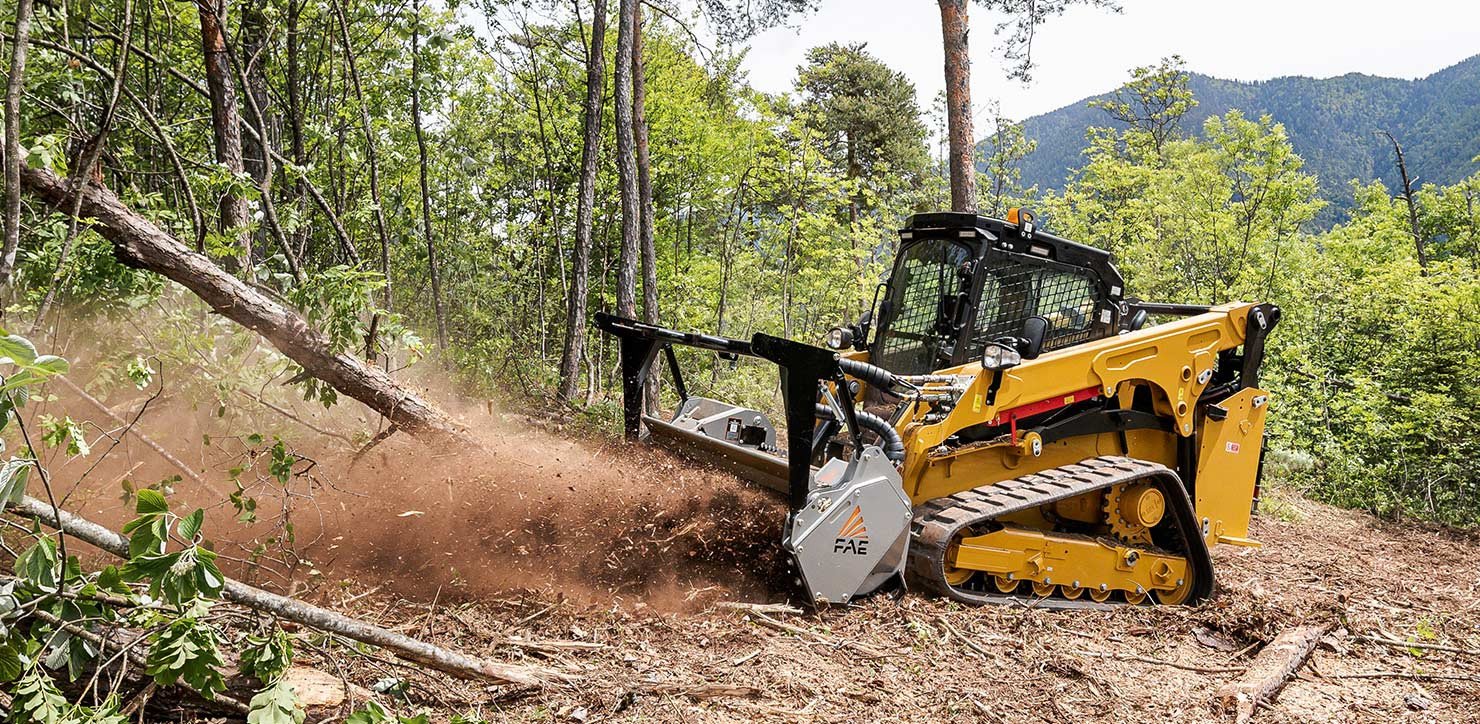
Home improvement projects can increase your property’s value, but they can also cause serious damage to nearby trees if proper precautions aren’t taken. Construction equipment, excavation, and changes to the landscape often affect tree roots and soil conditions, leading to long-term health problems. Protecting your trees before, during, and after construction helps preserve your landscape while preventing unnecessary tree loss.
Why Construction Can Harm Trees
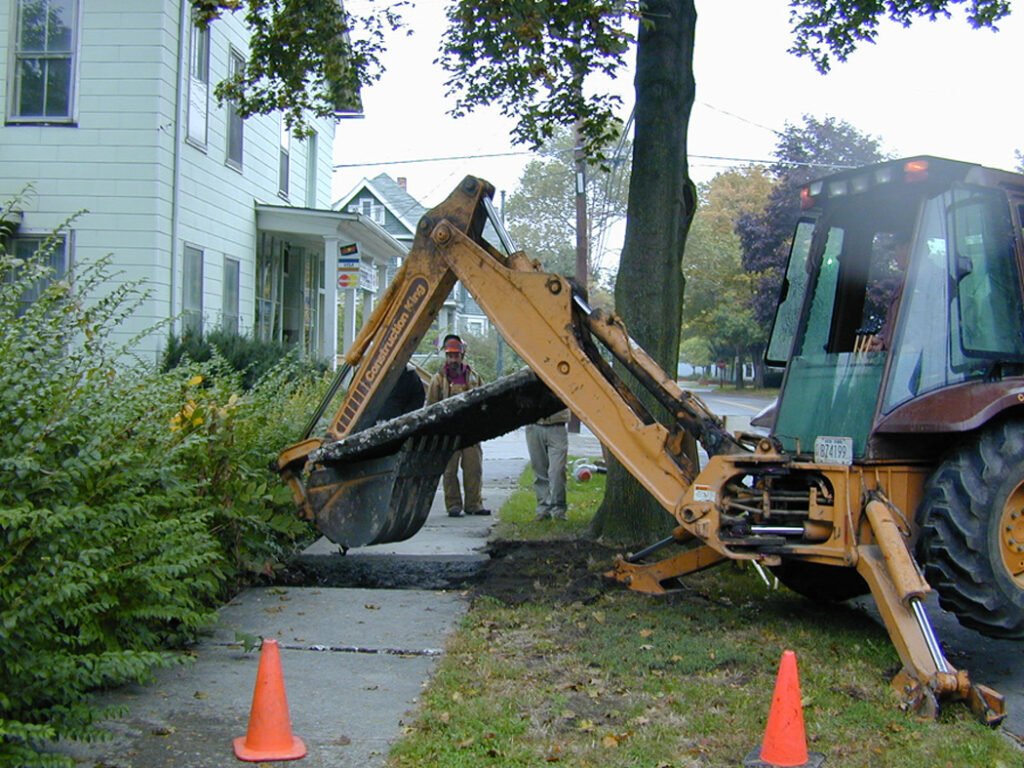
Most of a tree’s root system lies just below the soil surface. Digging trenches, installing patios, building driveways, or adding new foundations can easily damage these roots.
Even if the tree appears healthy immediately after construction, root damage may cause gradual decline over the following months or years. Professional tree care before construction can help identify and reduce these risks.
Protect the Root Zone
The area around a tree’s roots is one of its most important parts. Heavy machinery and constant foot traffic can compact the soil, making it difficult for roots to absorb water and oxygen.
To protect the root zone:
- Install temporary fencing around the tree.
- Keep vehicles and equipment away from the base.
- Avoid storing building materials near the tree.
- Minimize digging within the root area.
These simple precautions can significantly reduce construction-related damage.
Avoid Cutting Major Roots
Large roots provide stability and transport water and nutrients throughout the tree. Cutting too many structural roots can weaken the tree and increase the risk of failure during storms.
If excavation must occur near mature trees, consult a professional tree service before work begins.
Prevent Trunk Damage
Construction equipment can accidentally scrape or strike tree trunks. Damaged bark exposes the tree to insects, fungal diseases, and decay.
Protect trunks by installing wooden barriers or protective wraps around trees located near active work zones.
Monitor Trees After Construction
Tree damage isn’t always visible right away. Watch for signs such as:
- Yellow or sparse leaves
- Dead branches
- Slow growth
- Early leaf drop
- Leaning trees
- Cracks in the trunk
If these symptoms appear after construction, schedule a professional tree inspection as soon as possible.
Water Trees During Construction
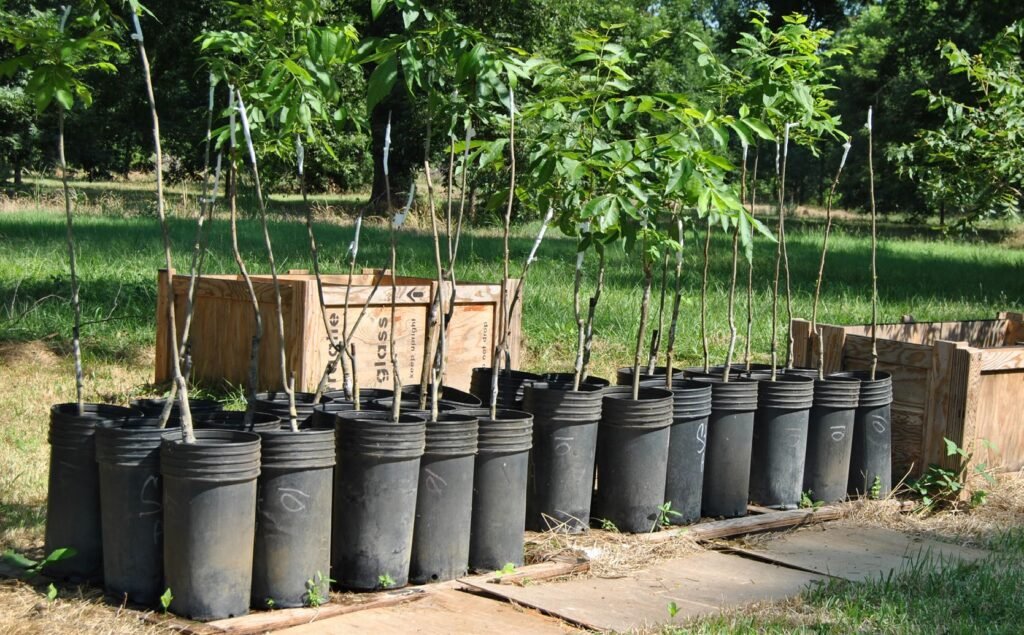
Construction often changes drainage patterns and soil moisture levels. Trees experiencing root stress may require additional watering during and after the project to support recovery.
Deep watering helps reduce stress and encourages healthy root development.
Schedule a Professional Tree Inspection
Having your trees inspected before and after construction helps identify potential risks early. Tree care professionals can recommend pruning, root protection, or other measures that improve the chances of long-term survival.
Preventive care is far less expensive than removing a mature tree that declines because of avoidable construction damage.
Benefits of Protecting Trees During Construction
- Preserves mature trees
- Reduces the risk of tree decline
- Prevents costly tree removal
- Protects property value
- Maintains curb appeal
- Creates a healthier landscape
- Reduces future maintenance costs
Conclusion
Construction projects and healthy trees can coexist with proper planning. By protecting root systems, preventing trunk damage, minimizing soil compaction, and scheduling professional inspections, homeowners can complete renovations without sacrificing valuable trees. Taking these preventive steps ensures your landscape remains safe, attractive, and healthy long after construction is complete.