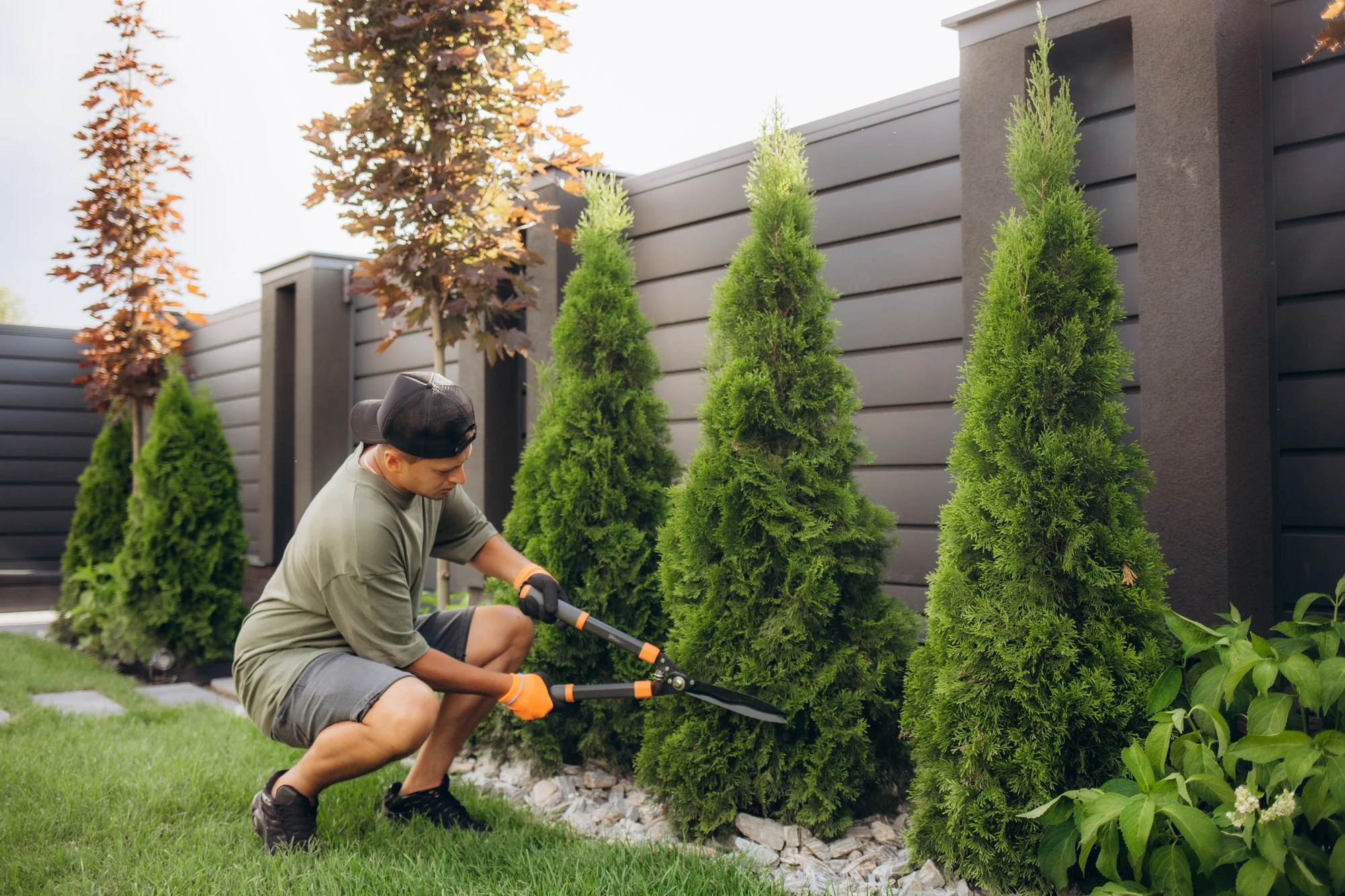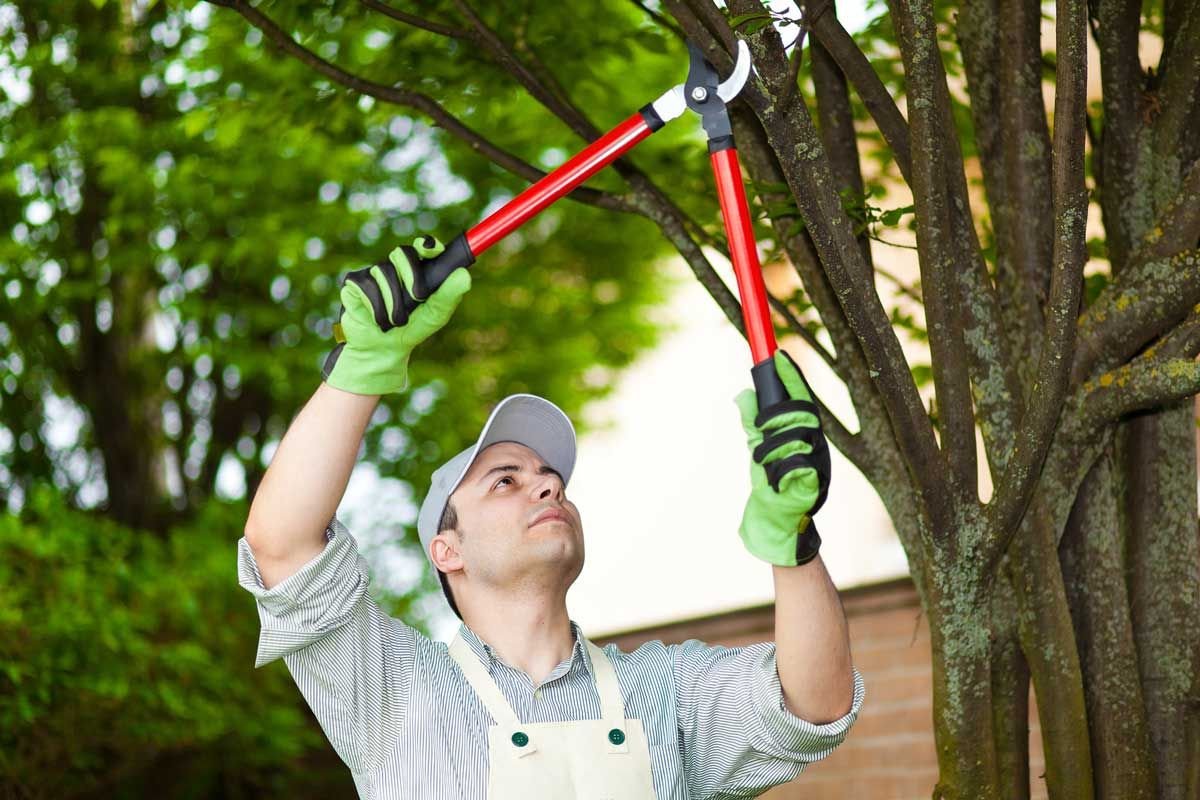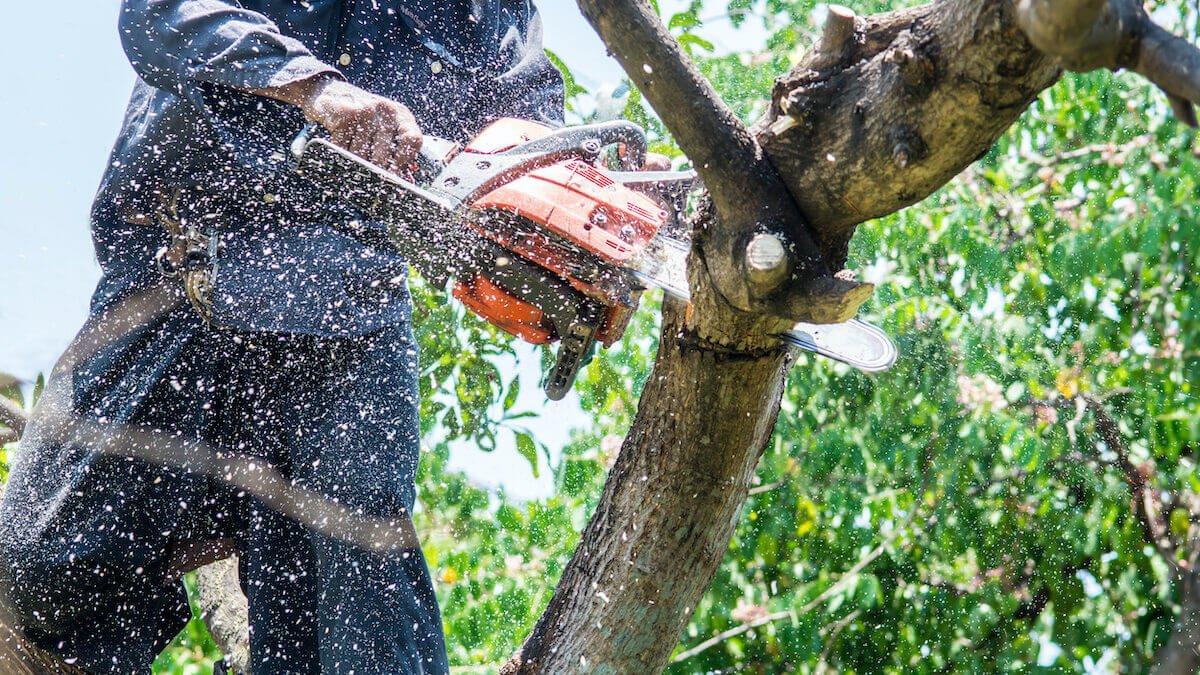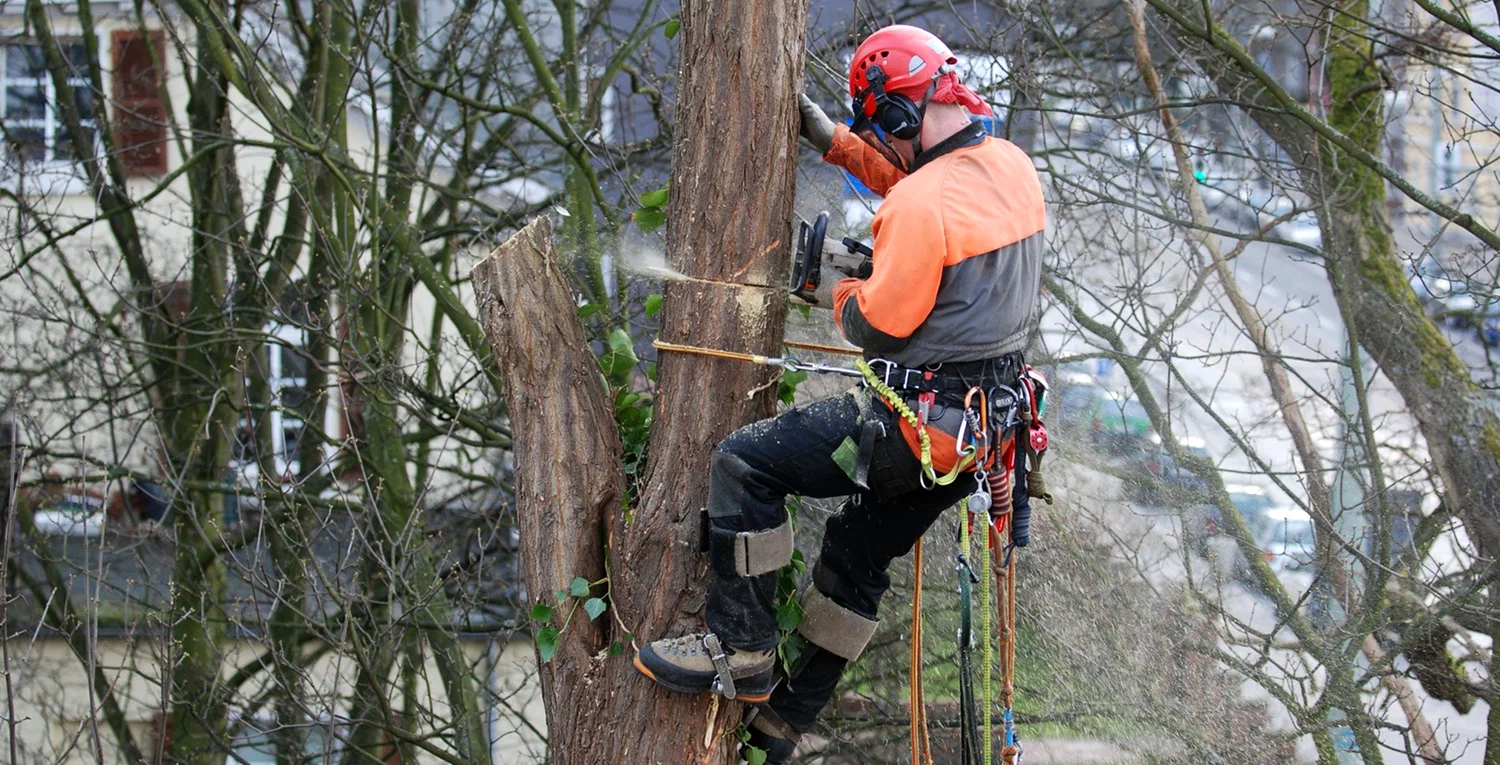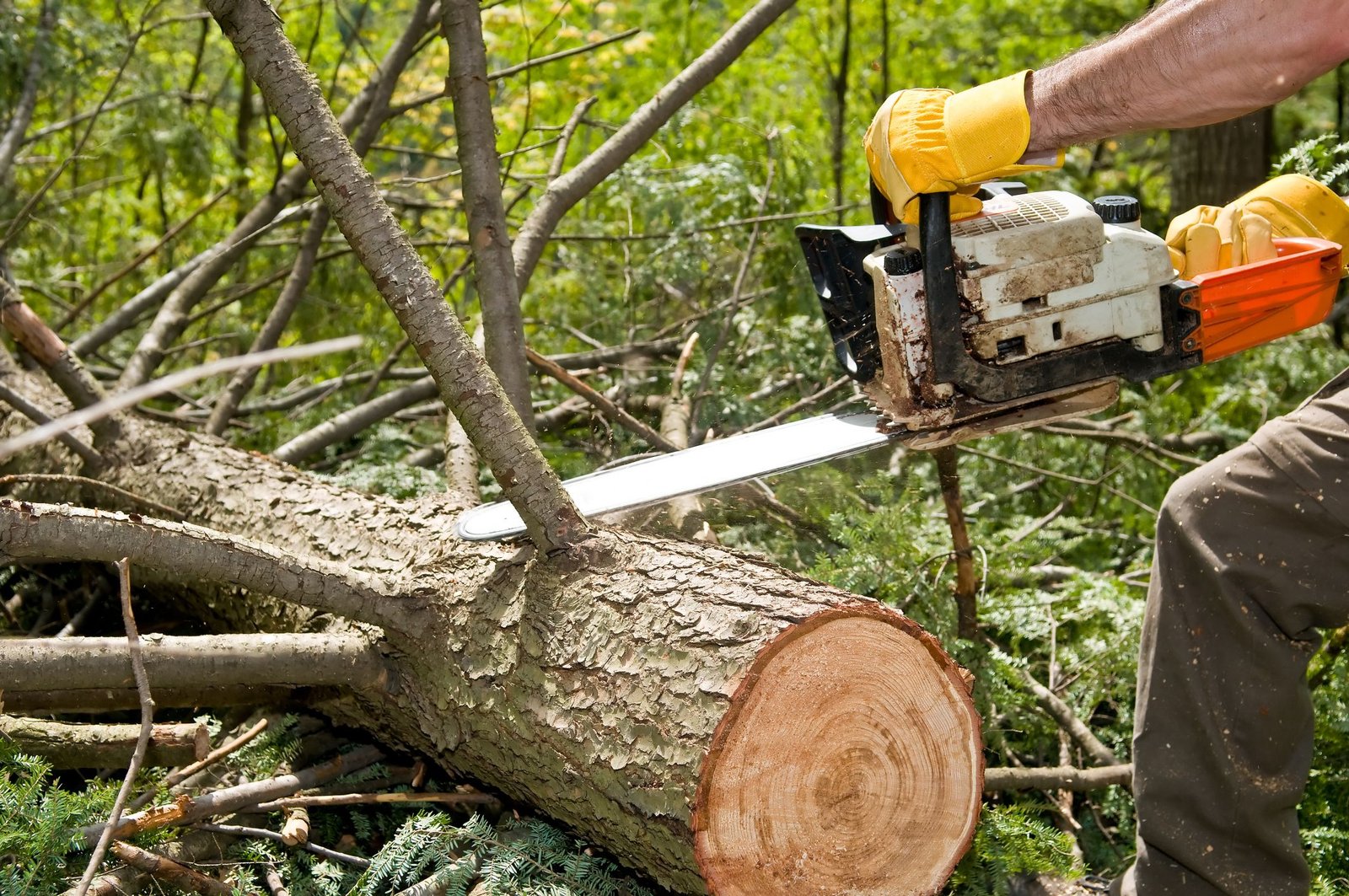
Trees naturally lose branches as they age, but leaving dead or damaged limbs in place can create serious safety risks and affect the overall health of the tree. Dead branches are weaker than healthy ones and are far more likely to fall during high winds, heavy rain, or snow. Regular removal of dead branches helps protect your property while encouraging healthier tree growth.
Dead Branches Can Fall Without Warning
One of the biggest dangers of dead branches is their unpredictability. Even on a calm day, weakened limbs can suddenly break and fall, posing a risk to people, vehicles, and nearby structures.
The risk increases significantly during storms when strong winds place additional stress on already weakened branches.
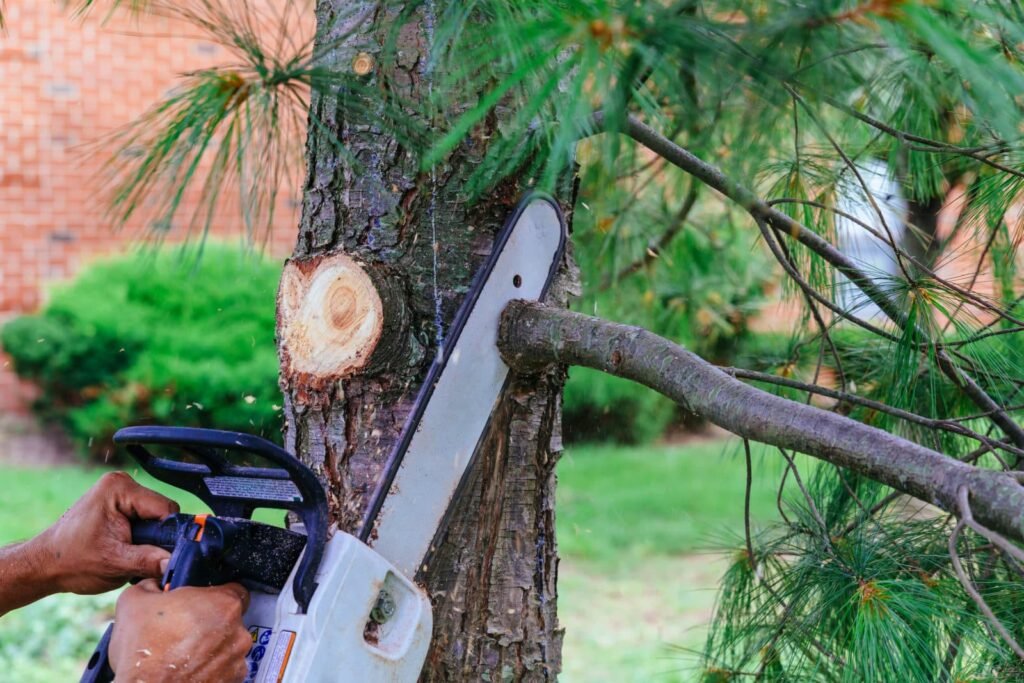
Improve Tree Health
Dead branches no longer contribute to the tree’s growth, yet they can become a source of disease and insect infestations. Removing these branches allows the tree to direct its nutrients toward healthy limbs and new growth.
Routine pruning helps:
- Improve overall tree health
- Encourage stronger branch development
- Increase airflow through the canopy
- Allow more sunlight to reach healthy branches
Healthy trees are better equipped to resist disease and recover from environmental stress.
Prevent Property Damage
Overhanging dead limbs can damage:
- Roofs
- Windows
- Vehicles
- Fences
- Sheds
- Power lines
Removing hazardous branches before they fall is much less expensive than repairing property after an accident.
Reduce the Spread of Disease
Diseased branches can spread infections to the rest of the tree if they are not removed promptly. In some cases, fungal diseases and insect infestations may even spread to nearby healthy trees.
Early pruning helps contain these problems while improving the long-term health of your landscape.
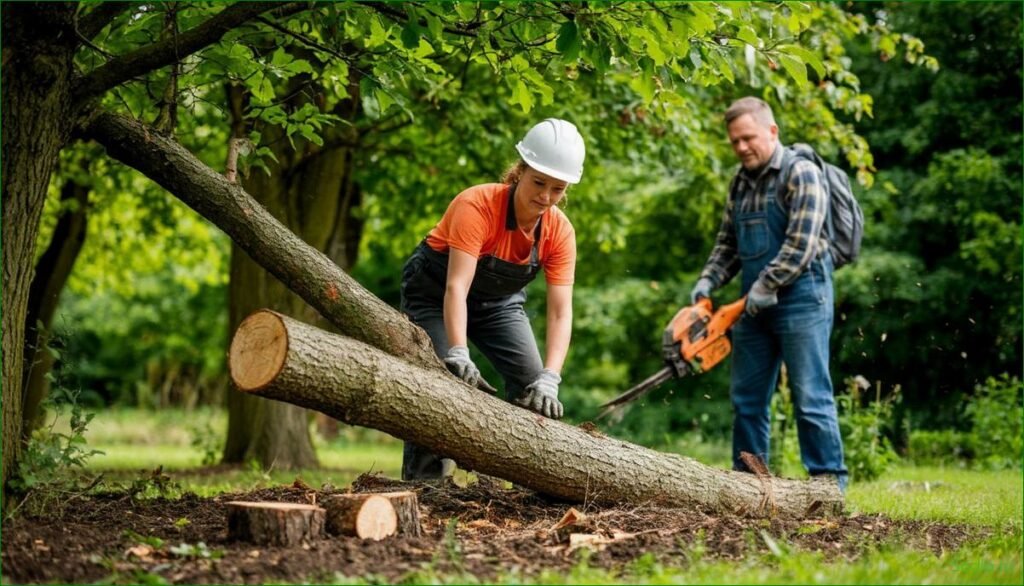
Increase Storm Resistance
Trees with excessive dead wood are more vulnerable to storm damage. Professional pruning reduces unnecessary weight in the canopy and removes weak limbs that are most likely to fail during severe weather.
Proper maintenance helps trees remain stronger and more stable throughout the year.
Improve the Appearance of Your Landscape
Dead branches make even healthy trees look neglected. Removing them improves the tree’s natural shape and enhances the overall appearance of your property.
Well-maintained trees also contribute to higher curb appeal and create a cleaner, more attractive outdoor environment.
Signs Your Tree Needs Pruning
You should consider professional tree pruning if you notice:
- Dead branches without leaves
- Cracked or broken limbs
- Hanging branches after a storm
- Branches rubbing together
- Large limbs extending over your roof
- Uneven or overcrowded growth
Addressing these issues early helps prevent larger problems later.
Why Hire Professional Tree Care Experts?
Removing large branches requires specialized equipment and proper pruning techniques. Incorrect cuts can weaken the tree or create entry points for disease.
Professional tree care specialists know how to remove hazardous branches safely while preserving the health and natural structure of the tree.
Conclusion
Dead branch removal is one of the simplest and most effective ways to improve tree health and property safety. Regular pruning reduces the risk of falling limbs, prevents disease, enhances curb appeal, and helps trees grow stronger for years to come. By investing in professional tree maintenance, homeowners can protect both their landscape and their property from avoidable hazards.