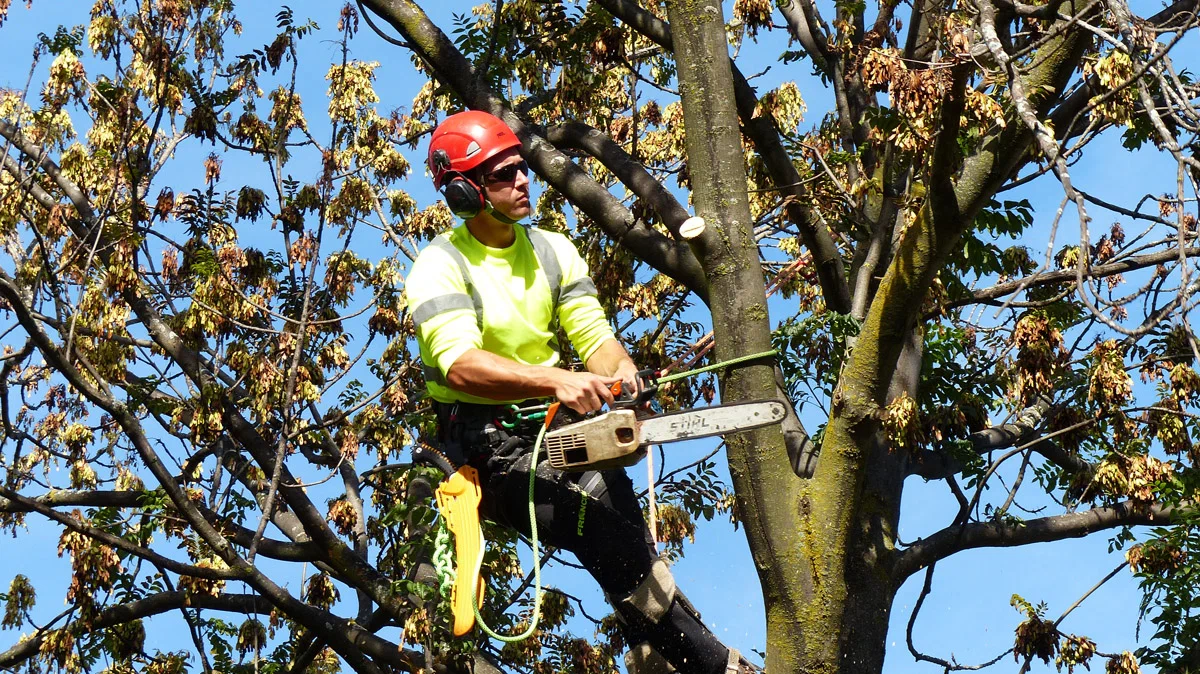
Removing a tree may seem like a manageable weekend project, but it is one of the most dangerous types of outdoor work. Large trees can weigh several tons, and one mistake can lead to serious injuries or costly property damage. Professional tree removal services have the experience, equipment, and safety procedures needed to complete the job efficiently while protecting your home and landscape.
Every Tree Requires a Removal Plan
No two trees are exactly alike. Before removing a tree, professionals evaluate several factors, including:
- Tree height
- Overall health
- Lean direction
- Branch distribution
- Nearby buildings
- Utility lines
- Ground conditions
This careful assessment helps determine the safest removal method while reducing the risk of accidents.
Specialized Equipment Improves Safety
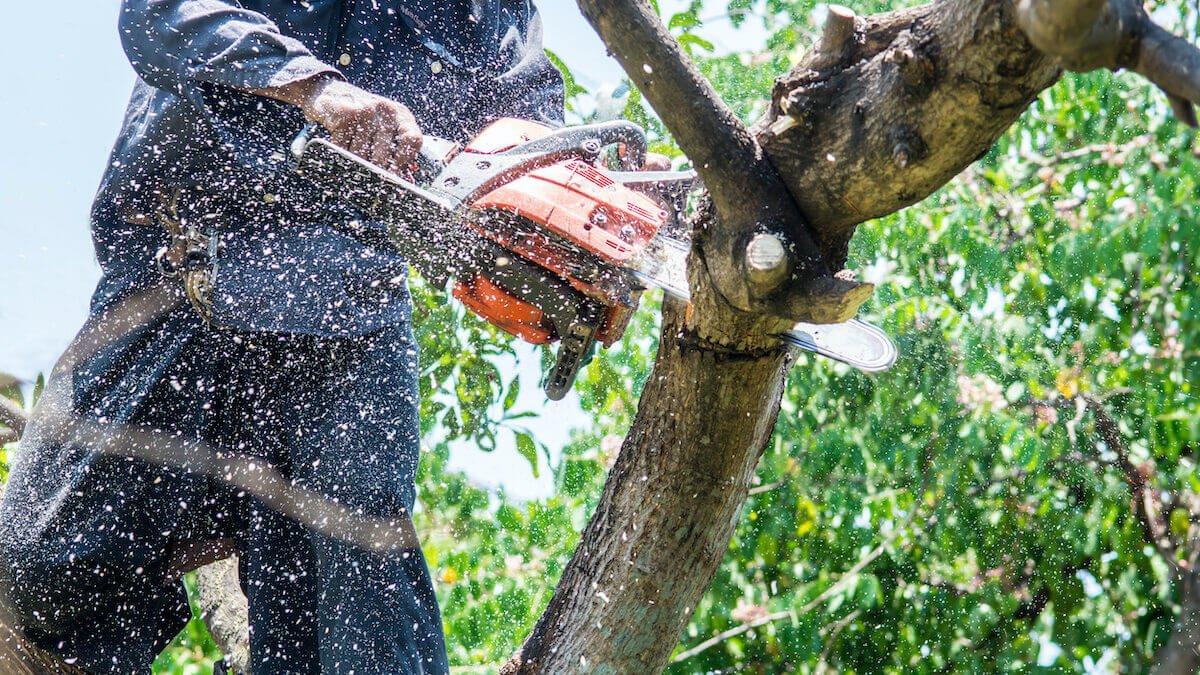
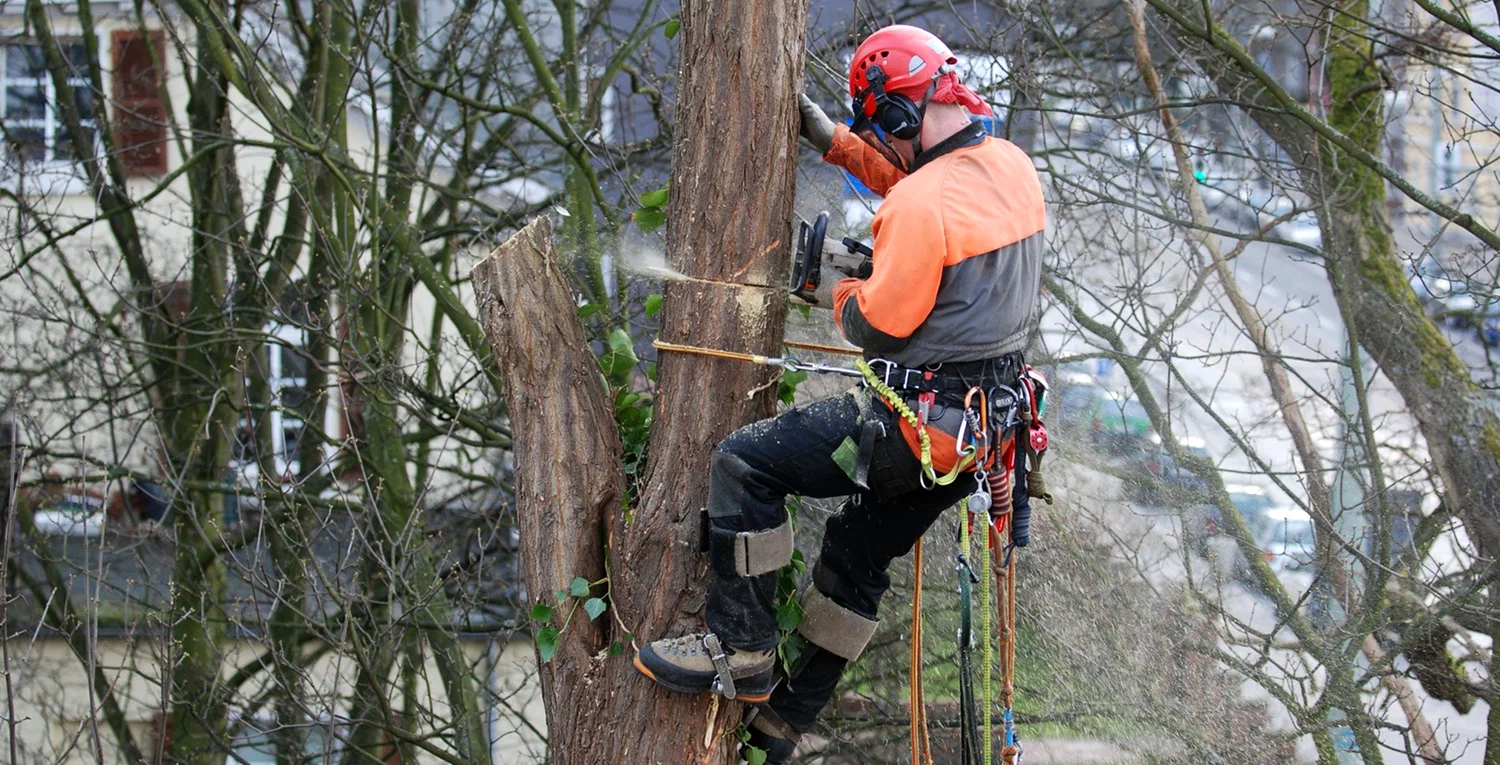
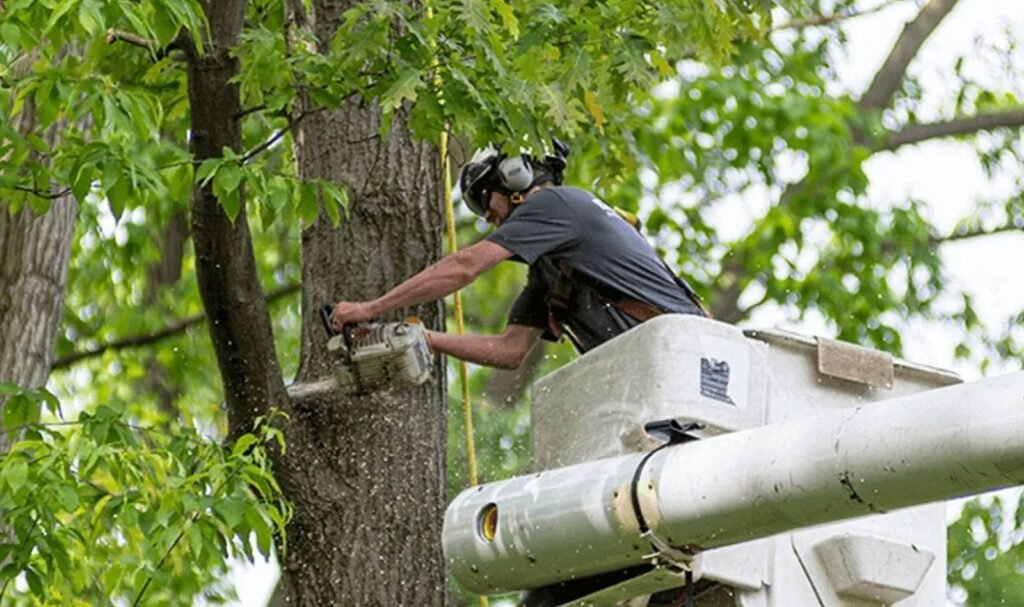
Professional tree removal crews use equipment specifically designed for challenging tree work, such as:
- Chainsaws designed for arborist work
- Climbing gear
- Safety harnesses
- Rigging systems
- Ropes and pulleys
- Bucket trucks
- Wood chippers
Using the right equipment allows each section of the tree to be lowered safely instead of falling uncontrolled.
Protect Your Home and Property
Trees growing close to houses, garages, fences, or driveways require precision during removal. Professionals carefully dismantle large trees in sections to prevent damage to nearby structures.
This controlled process is especially important in neighborhoods where space is limited.
Avoid Serious Injuries
DIY tree removal can result in:
- Falls from ladders
- Chainsaw injuries
- Falling branches
- Uncontrolled tree collapse
- Contact with power lines
Professional crews receive specialized safety training and follow proven procedures that significantly reduce these risks.
Save Time and Money
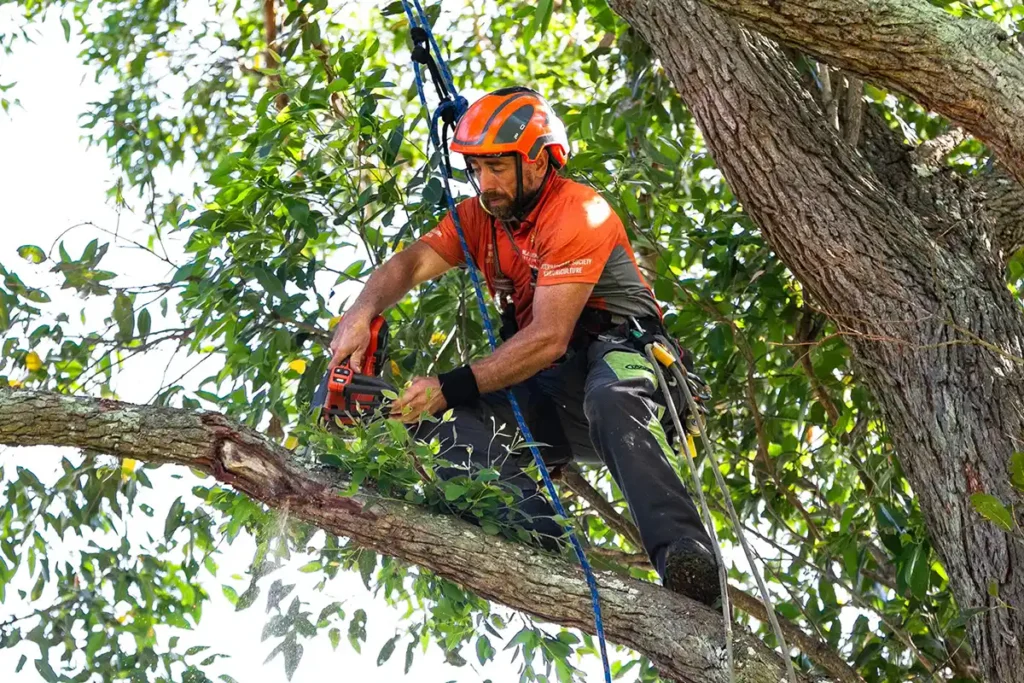
While hiring professionals may seem like an added expense, it often saves money in the long run. Improper tree removal can lead to damaged roofs, broken fences, landscaping repairs, or emergency medical costs.
Professional services complete the job efficiently while helping homeowners avoid unexpected expenses.
Complete Cleanup After Removal
Tree removal doesn’t end when the trunk reaches the ground. Professional services typically include:
- Branch removal
- Log cutting
- Wood chipping
- Debris hauling
- Site cleanup
- Optional stump grinding
A clean property allows homeowners to immediately begin new landscaping or construction projects.
When Should a Tree Be Removed?
Tree removal may be necessary if a tree is:
- Dead or dying
- Leaning dangerously
- Severely storm-damaged
- Infected with disease
- Structurally unstable
- Damaging foundations or sidewalks
- Blocking construction projects
A professional inspection can determine whether removal is the safest solution.
The Value of Professional Tree Care
Experienced tree care specialists do more than remove trees—they evaluate tree health and recommend preservation whenever possible. If pruning, treatment, or cabling can safely extend the life of a tree, professionals will often suggest those options before recommending removal.
Conclusion
Professional tree removal provides the safest and most effective solution for hazardous or unwanted trees. With proper planning, specialized equipment, and expert techniques, trained professionals can remove trees while minimizing risks to people and property. Whether dealing with storm damage, disease, or aging trees, investing in professional tree removal helps ensure your landscape remains safe, clean, and well-maintained.